Commercial Plumbing Repairs for Northern Beaches Businesses: Expert Solutions by Clearwater Plumbing and Civil
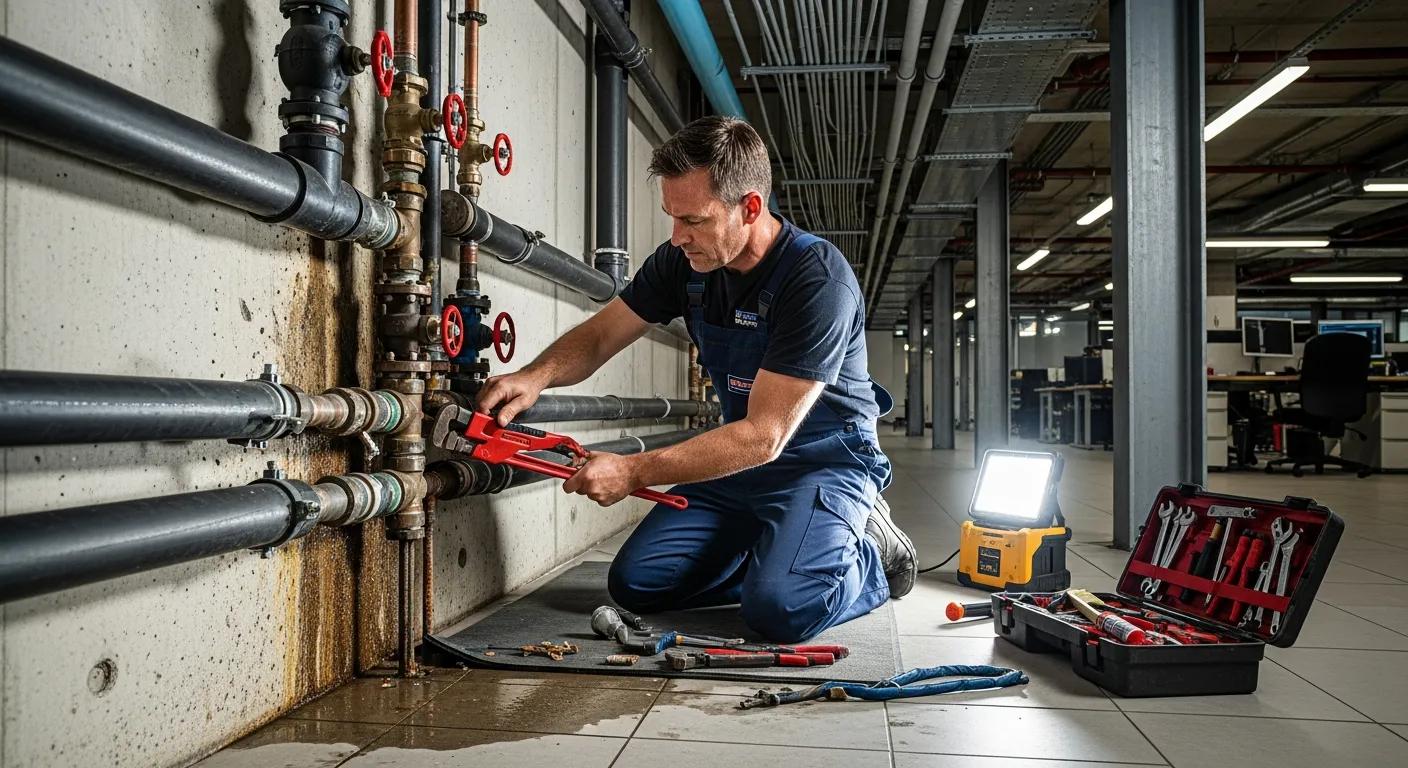
Commercial plumbing repairs for Northern Beaches businesses encompass a wide range of urgent and planned works designed to keep operations running, protect property and meet regulatory obligations. This guide explains the most common commercial plumbing faults in the Northern Beaches, how emergency response and preventative maintenance preserve business continuity, and which modern technologies reduce disruption and offer long-term value. Readers will learn practical first-response steps for managers, the maintenance services that support compliance, and the trenchless and diagnostic methods that minimise site downtime. We also map typical hot water and gas fitting approaches for commercial sites and outline how to evaluate contractors that can execute these works with minimal operational impact. Throughout this resource, you will find clear, actionable lists, comparison tables of repair and maintenance options, and targeted advice for restaurants, retail, strata and light industrial premises in the Northern Beaches.
What Are the Most Common Commercial Plumbing Repairs in Northern Beaches?
Commercial plumbing repairs in the Northern Beaches most often respond to failures that threaten hygiene, asset integrity or business operations, such as blocked drains, burst pipes and hot water failures. These issues arise from mechanisms like grease accumulation in kitchen systems, corrosion and joint failure in ageing networks, and mechanical faults in commercial plant; resolving them quickly preserves trading capacity and reduces overall expenses. Identifying common categories helps managers prioritise inspections and select the right corrective method. The list below summarises the primary fault types to watch for in commercial properties and directs readers to immediate mitigation steps before a specialist arrives.
- Blocked drains and grease blockages are affecting kitchens and food service drains.
- Burst pipes and hidden leaks are causing water damage and structural risk.
- Commercial hot water system failures that interrupt service to tenants or customers.
- Gas fitting faults and potential leaks that require immediate isolation.
- Stormwater drainage and easement issues that create flooding or compliance exposure.
Understanding these categories leads naturally to a closer look at blocked drains, their causes and remediation options for businesses in the region.
Which Blocked Drain Issues Affect Northern Beaches Businesses?
Blocked drains in commercial settings typically result from grease, food waste, sediment, hair and invasive tree roots, and they present unique risks in hospitality and strata properties where usage is high. A restaurant will most commonly face grease trap overload and kitchen sink blockages, while office and retail buildings encounter bathroom and stormwater slow-flow problems; these differing causes require tailored diagnostics. Effective remediation begins with CCTV inspection and hydro-jetting to remove obstructions without damaging pipes, followed by targeted maintenance to prevent recurrence. Regular removal of grease and frequent monitoring of high-risk outlets reduces outbreak frequency and protects hygiene standards required by regulators.
These blocked drain patterns highlight the importance of accurate diagnosis, which prepares property managers to choose between cleaning, relining or partial replacement as the next step in repair.
How Do Burst Pipes and Leak Detection Impact Commercial Properties?
Burst pipes and undetected leaks pose immediate hazards to stock, electrical equipment and premises safety, and they can force partial or full closure of commercial operations until repairs are made. Leak detection methods such as acoustic listening, thermal imaging and focused CCTV inspections locate faults with minimal surface intrusion, enabling targeted repairs that shorten downtime. Once detected, temporary isolation, controlled draining and emergency repair patches are used to stabilise the site before permanent remediation. Proactive leak detection and scheduled inspections reduce the likelihood of catastrophic bursts and support documentation for insurance purposes by detailing condition and response actions.
Prompt detection and containment naturally lead to the broader topic of emergency response and how businesses should prepare to minimise downtime.
How Does Clearwater Provide Emergency Commercial Plumbing Services in Northern Beaches?
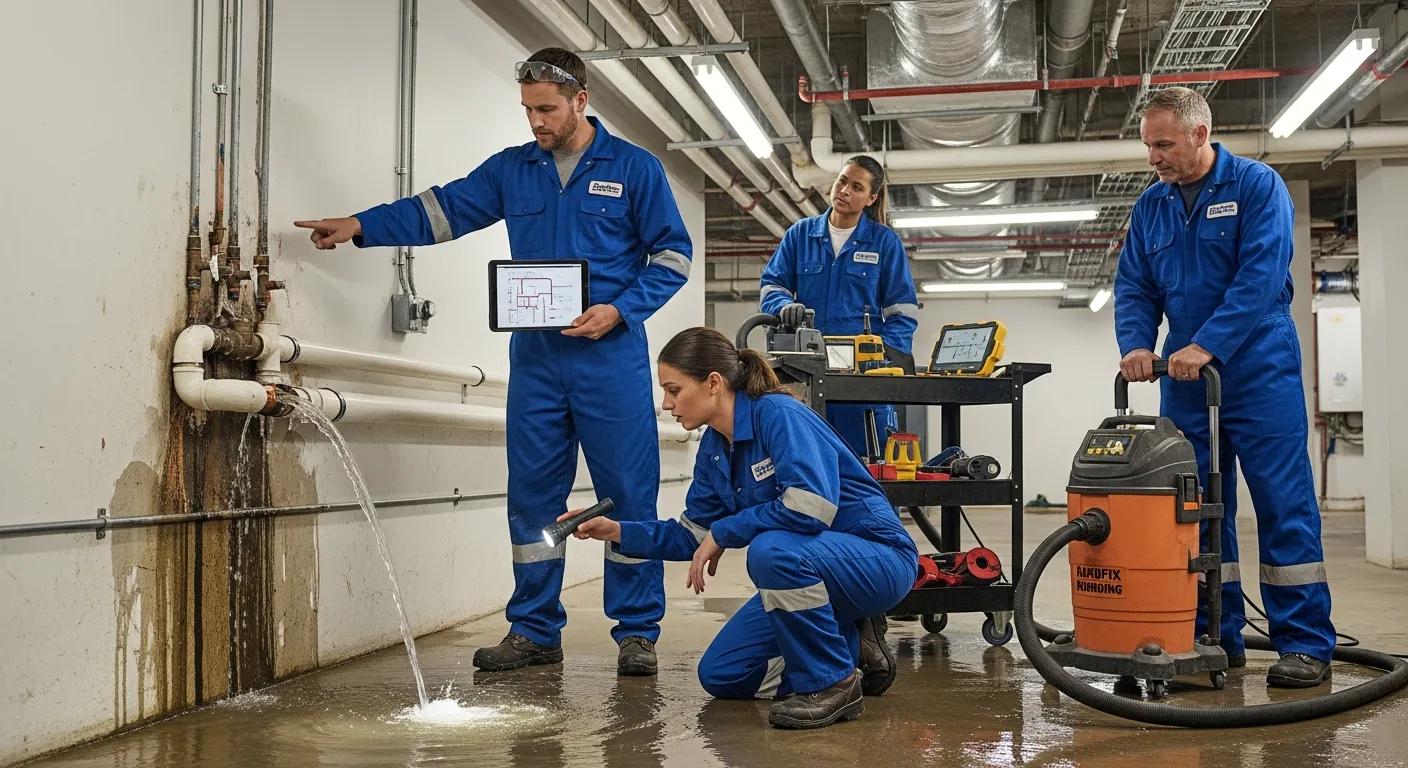
Emergency commercial plumbing services provide rapid containment, risk control and temporary fixes that let businesses resume operations while a permanent repair plan is prepared. Clearwater Plumbing & Civil offers 24/7 emergency response coverage across Sydney and surrounding areas, prioritising immediate isolation of hazards and temporary restoration measures to reduce business interruption.
The emergency model focuses on safety, containment and quick diagnostic steps—such as isolating water or gas, performing CCTV checks on main lines, and using temporary plumbing patches or trenchless measures where appropriate. Timely containment protects assets and sets up a clear transition from emergency stabilisation to planned permanent repair and compliance work.
- Emergency burst pipe isolation and temporary patching to stop water ingress.
- Emergency drain clearing for mainline blockages that threaten sanitation and trading.
- Gas leak isolation and safe ventilation followed by certified testing procedures.
- Immediate stormwater blockage response to prevent internal flooding and external runoff issues.
These emergency service elements clarify what to expect during a call-out and introduce the practical mitigation steps discussed in the next subsection.
What 24/7 Emergency Plumbing Repairs Are Available for Businesses?
Commercial emergency plumbing repairs available to Northern Beaches businesses include temporary pipe repairs, emergency mainline clearance, leak containment and gas isolation, each focusing on restoring safe operational conditions immediately. While emergency technicians perform containment, they also document faults, recommend short-term workarounds and schedule permanent repairs that meet compliance obligations. Managers should prioritise safety actions—shutting off utilities where necessary, moving stock and isolating affected zones—then communicate status to staff and customers to manage reputational risk. The combination of immediate mitigation and documented handover to scheduled repairs minimises prolonged closures for commercial premises, offering significant value.
The nature of these rapid responses makes it crucial to understand how prompt emergency service translates into measurable reductions in downtime and repair investment.
How Does Prompt Emergency Service Minimise Business Downtime?
Prompt emergency plumbing service minimises downtime by containing damage quickly, preserving key systems and enabling partial operations during repair planning and execution. Typical mitigation tactics include immediate utility isolation, temporary bypasses or patches, and the use of trenchless repairs or rapid reinstatement techniques to avoid long open excavations. Coordination between on-site managers and technicians keeps customer areas operational and reduces lost revenue while permanent works are scheduled for low-impact periods. Following emergency stabilisation, a structured repair and maintenance plan reduces repeat incidents and shortens future response times, providing lasting benefits.
Understanding these continuity benefits points directly to routine maintenance strategies that further reduce emergency callouts and long-term expenses.
What Commercial Plumbing Maintenance Services Support Northern Beaches Businesses?
Proactive maintenance services for commercial plumbing preserve asset life, reduce emergency repairs and ensure compliance with local and state regulations; contracts typically bundle inspections, cleaning and testing to create predictable lifecycle management. Regular maintenance uncovers developing faults through CCTV inspection, grease trap servicing and backflow prevention checks, enabling repairs to be scheduled before they disrupt trading. Businesses that implement scheduled maintenance experience lower overall operational expenses and fewer urgent outages, as recurring issues are addressed systematically rather than reactively. The following list summarises common maintenance contract components and their typical frequency.
- Scheduled CCTV inspections and pipe condition reporting, typically annually or biannually.
- Grease trap cleaning for food service operations is scheduled monthly to quarterly, depending on use.
- Backflow prevention testing and certification in line with regulatory cadences.
- Stormwater easement inspections and preventive clearing to manage runoff and compliance.
These contract elements form the foundation of compliance and asset protection, which we compare in the table below to clarify benefits and frequency.
This maintenance comparison shows how regular, scheduled services convert into reduced emergency incidents and improved regulatory standing, and it naturally leads to how maintenance contracts prevent significant reactive repairs.
How Do Regular Maintenance Contracts Prevent Costly Repairs?
Regular maintenance contracts shift repair investment from reactive emergency calls to scheduled, more manageable interventions that extend system life and reduce operational risk and provide greater peace of mind. By combining inspections, routine cleaning and component testing, contracts enable early intervention when corrosion, root ingress or grease accumulation is still manageable without major excavation or system replacement. These scheduled checkpoints create documented service records useful for compliance audits and insurance purposes, while enabling predictable budgeting for businesses, ensuring better financial planning. A proactive maintenance approach also supports infrastructure planning, letting managers align repairs with low-impact windows to preserve trading hours.
The preventive value of contracts naturally complements compliance services such as backflow testing, which we cover next to explain legal obligations and testing benefits.
What Compliance and Backflow Prevention Testing Is Required for Businesses?
Backflow prevention testing and other compliance tasks protect potable water supplies and meet regulatory obligations enforced by local and state authorities in New South Wales; these tests must be performed at prescribed intervals and documented appropriately. Businesses, especially those operating commercial kitchens, must ensure devices are tested, certified and recorded to demonstrate compliance during audits or inspections. Stormwater and grease trap maintenance also intersect with local council requirements for easements and discharge standards, making scheduled reports and remediation plans essential. Maintaining up-to-date testing records not only preserves public health but also reduces liability and supports uninterrupted operations.
Clear maintenance and compliance records provide the evidence needed to meet regulator expectations and reduce the chance of operational restrictions, which connects to the advanced technologies that make many of these works less disruptive.
Which Advanced Technologies Does Clearwater Use for Commercial Plumbing Repairs?
Advanced diagnostics and trenchless repair technologies, such as directional boring, CCTV pipe inspection and pipe relining, enable repairs with far less surface disruption and faster reinstatement than traditional open-cut excavation. Directional boring installs or replaces underground services by steering a bore along a designed path, reducing repeated pavement cutting and traffic management needs; CCTV inspection pinpoints defects and guides repair decisions, while pipe relining forms a new structural layer within the existing pipeline. These technologies lower total project time, reduce reinstatement expenses and limit the environmental and customer-impact footprint of commercial repairs in urban Northern Beaches sites. The table below compares key trenchless options and when to use them.
Introductory note: the table below contrasts trenchless approaches by disruption, investment range and ideal use-case to aid decision making.
This comparison highlights how trenchless methods reduce operational impact and leads to an example of directional boring and its business benefits below, including a brief integration of relevant service capabilities.
Clearwater Plumbing & Civil deploys trenchless directional boring and mini-directional rigs alongside CCTV diagnostics and relining techniques to complete commercial and civil projects across Sydney, the Northern Suburbs and Port Macquarie. Using these methods, businesses in constrained urban sites benefit from minimal surface disruption and faster reinstatement, preserving trading areas and reducing traffic or tenant impact. Emphasising trenchless capability helps owners avoid significant pavement reinstatement expenses and lengthy closures, and pairs naturally with scheduled maintenance to extend asset life. The next subsection explains directional boring advantages in more detail.
How Does Directional Boring and Trenchless Technology Benefit Businesses?
Directional boring and trenchless technology benefit businesses primarily by reducing surface disruption, shortening project timelines and reducing reinstatement expenses compared with open excavation. Where streets, footpaths or built surfaces would otherwise require lengthy closures and significant reinstatement expenses, trenchless methods allow the new service or repair to be completed with focused entry and exit pits. Environmental impacts such as soil disturbance and run-off are also reduced, which helps maintain local council compliance near sensitive coastal reserves common in the Northern Beaches. For tight access sites, directional boring provides a reliable route for utilities without prolonged site occupation, improving operational continuity.
Recognising the impact of diagnostics, the next section explains how CCTV and pipe relining combine to deliver non-invasive repairs in many commercial scenarios.
What Role Do CCTV Pipe Inspections and Pipe Relining Play in Repairs?
CCTV pipe inspections locate defects precisely and generate records that guide repair selection, while pipe relining provides a durable, non-invasive repair option that restores structural integrity without full replacement. CCTV imaging informs whether a pipe can be relined, needs sectional replacement, or requires excavation for structural failure; this reduces unnecessary disruption by ensuring the chosen method fits the defect. Relining is particularly effective for cracks, root intrusions and small collapses and typically yields long-term performance with shorter downtime than digging. Combining these technologies produces a diagnostic-first workflow that prioritises minimal impact and predictable outcomes for commercial clients.
Having explored trenchless and diagnostic tools, we now move to how hot water and gas services are managed in commercial settings where safety and capacity matter.
How Are Commercial Hot Water and Gas Fitting Services Managed for Northern Beaches Businesses?
Commercial hot water and gas fitting services are managed through a combination of accurate diagnostics, capacity planning and scheduled servicing to ensure reliable supply and safe operation for businesses with high demand. Managers must match system capacity to peak demand, prioritise rapid fault isolation, and apply certified procedures for any gas works to protect staff and customers. Regular servicing prevents unexpected plant failure, improves energy efficiency and supports compliance with applicable NSW standards, offering long-term savings; documented servicing also helps maintain insurance and safety records. The following table compares common commercial hot water and gas service options to clarify decision factors for repair versus replacement.
Introductory note: the table below summarises typical commercial hot water and gas approaches by capacity, common faults and maintenance needs.
This comparison helps property managers prioritise inspections and informs whether short-term repairs or system upgrades are the appropriate next step, which we explain in the following subsection.
What Solutions Are Offered for Commercial Hot Water System Repairs?
Commercial hot water repairs range from component replacement and descaling to full system upgrades where capacity or efficiency is inadequate for business needs. Diagnosis typically begins with flow and temperature tests, scale assessment and inspection of valves and burners; minor faults may be resolved quickly through targeted component works, while chronic inefficiency or repeated failure prompts consideration of larger capacity systems or plant replacement. Energy efficiency and uptime are key decision drivers; businesses that schedule regular servicing reduce emergency outages and extend equipment lifespan. Choosing the right solution balances short-term repair investment against long-term operational reliability.
Understanding gas safety and certified fitting protocols is essential for preventing hazardous conditions and ensuring efficient service delivery, which is explored next.
How Does Commercial Gas Fitting Ensure Safety and Efficiency?
Commercial gas fitting ensures safety and efficiency by applying certified installation and testing procedures, leak detection protocols and scheduled maintenance to keep systems within operational and regulatory standards. Licensed practitioners isolate supplies, test joints, verify regulator performance and document results to provide auditable safety records; routine servicing reduces the risk of leaks and inefficient combustion that can cause health and significant operational issues. Rapid detection methods and clear emergency procedures protect staff and customers while enabling swift return to service. Adherence to certified gas fitting practices, therefore, minimises hazard and supports sustained business operations.
These safety and efficiency practices tie directly into contractor selection; the next H2 explains why local expertise and documented capability matter when choosing a commercial plumbing partner.
Why Choose Clearwater Plumbing and Civil for Commercial Plumbing Repairs in Northern Beaches?
Selecting a contractor with local knowledge, trenchless capability and commercial experience reduces project risk, streamlines approvals and accelerates reinstatement, offering excellent value in the Northern Beaches’ built and coastal environments. Clearwater Plumbing & Civil specialises in directional boring, stormwater management and commercial/industrial plumbing projects across Sydney and Port Macquarie, offering the combination of civil trenchless methods and conventional plumbing required for complex commercial sites. Their service mix is particularly useful for businesses seeking minimal disruption, reliable emergency response and comprehensive maintenance plans that address compliance and operational continuity. Below is a short list of unique value propositions to consider when evaluating providers.
- Trenchless and directional boring capability that reduces surface disruption and reinstatement expenses.
- 24/7 emergency response capacity focused on limiting business downtime and liability.
- Integrated commercial and civil skills that cover stormwater management, relining and heavy-duty plumbing.
These distinguishing features summarise why a combined commercial and civil capability supports better outcomes for Northern Beaches businesses and lead into the practical credibility elements managers should check.
What Local Expertise and Licensing Support Quality Service?
Local expertise and appropriate licensing ensure a contractor understands Northern Beaches council requirements, stormwater easement constraints and the practicalities of working in urban coastal precincts. Contractors with civil trenchless experience better coordinate utility installations and repairs without excessive traffic or pavement disruption, and they offer documented methods for compliance and reinstatement. While licensing and insurance are essential, the practical advantage lies in local knowledge: familiarity with council processes, coastal site conditions and common failure modes reduces surprises and shortens project timelines. Verifying these competencies supports smoother project delivery and regulatory compliance.
Confidence in a provider is strengthened by real project outcomes, which is why case studies and client references are valuable when making a selection.
How Do Customer Testimonials and Case Studies Reflect Service Success?
Concise case summaries illustrate how targeted diagnostics and trenchless repairs save time and resources; for example, a relining job that avoided road excavation and restored service within days is a clear measure of success. Case studies structured as problem → solution → outcome provide prospective clients with concrete metrics such as reduced downtime, avoided significant reinstatement expenses and compliance outcomes that matter to commercial decision makers. Requesting references or sample case summaries allows managers to validate performance claims against similar building types and operating constraints. Access to clear project outcomes supports confident procurement decisions and helps align expectations for delivery and follow-up maintenance.
For businesses seeking detailed project examples, a provider that can demonstrate these outcomes and explain practical maintenance pathways offers the clearest route to reliable operations and compliance.