Burst Pipe Emergency Plumbing Solutions in Sydney – 24/7 Rapid Response and Expert Repair
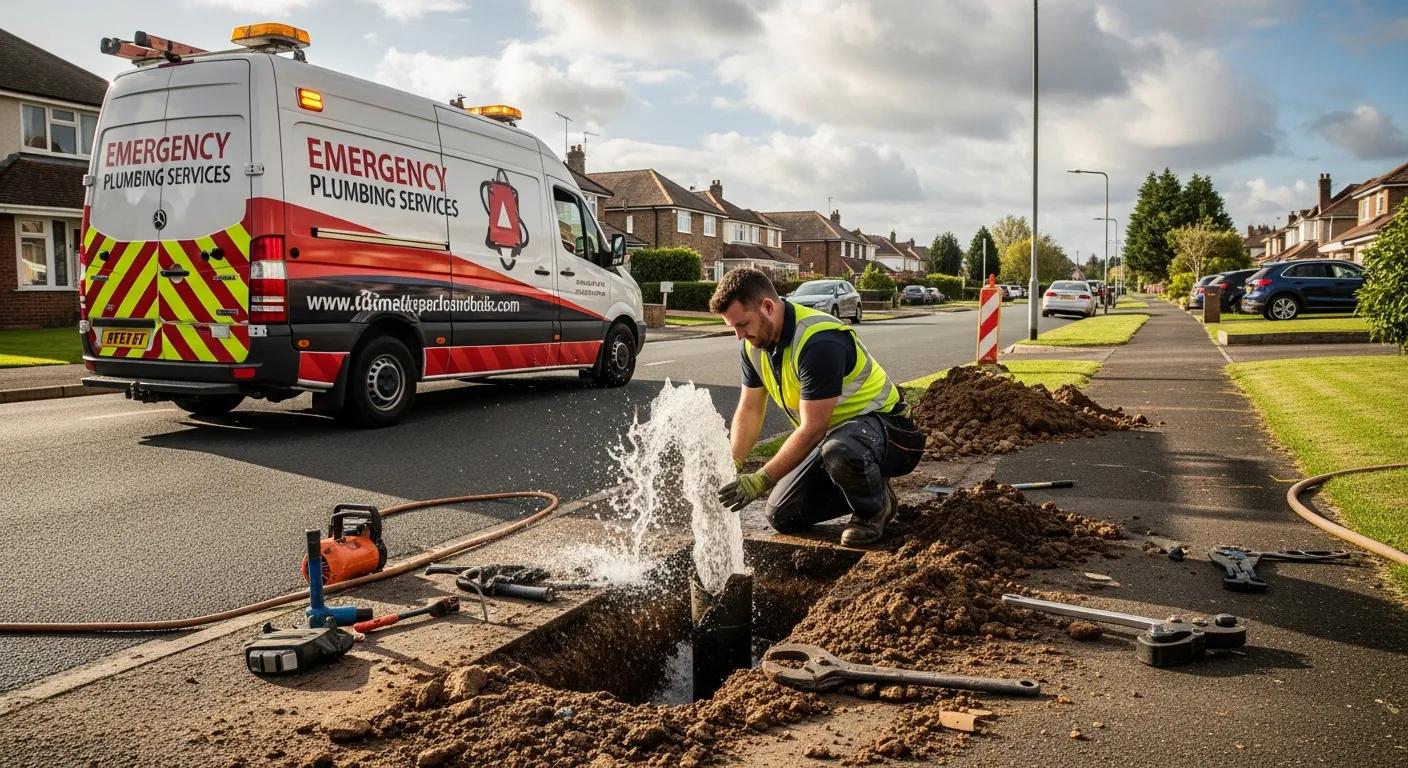
A burst pipe emergency demands immediate action to limit water damage, protect property and reduce repair expenses. This guide explains practical first steps to take when a burst pipe occurs, how to identify common causes, how to spot early warning signs, and which repair methods minimise disruption while restoring safe water services. It also covers realistic investment considerations, insurance aspects, and practical prevention strategies tailored to Sydney properties and infrastructure. For local reassurance, Clearwater Plumbing & Civil provides 24/7 emergency plumbing, including burst pipe repairs, across Sydney, Sydney’s Northern Suburbs and Port Macquarie; contact details include 87 Lane Cove Road, Ingleside, NSW, 2101, Australia, phone 0410 997 080 and email chris@clearwaterpc.com.au. Read on for step-by-step emergency actions, technical explanations of trenchless and conventional repairs, transparent investment context, and targeted prevention tips for homeowners and commercial managers.
What Should You Do Immediately When a Burst Pipe Occurs in Sydney?
When a pipe ruptures, rapid containment reduces property damage and electrical risk while preserving evidence for insurance. First, stop water flow at the main shut-off; next, isolate power where water is present; then, contain and document the damage before calling an emergency plumber. Acting in this order limits water spread and prevents secondary hazards such as electrocution or structural weakening. The steps below are a concise How-To checklist you can follow while arranging professional assistance and preparing information for tradespeople and insurers.
- Turn off the main water supply immediately to stop ongoing flooding and limit internal pressure on the system.
- Isolate electricity in areas affected by water to remove electrocution and ignition risks.
- Drain taps and appliances, and move valuables to dry areas to reduce repair and replacement expenses.
- Photograph and video damage and mark affected areas to aid insurance claims and professional assessment.
- Call an emergency plumber and provide clear details: address, visible damage, and whether power is involved.
These immediate actions protect occupants and property while preserving the scene for an efficient professional diagnosis and insurer documentation. Next, learn exactly where the main shut-off commonly sits and how to operate it safely.
How to Turn Off Your Main Water Supply Quickly
The main shut-off valve stops the entire property’s water supply and is the first control you should use during a burst pipe emergency. Locate the valve at the property boundary, inside the meter box, under the kitchen sink in some flats, or near the water meter; turn it clockwise until fully closed, using pliers if necessary but avoiding force that might damage a seized valve. If the valve is corroded or stuck, avoid excessive force and call an emergency plumber to prevent further damage or uncontrolled leaks, noting the exact valve location for the attending technician. Knowing where the valve is ahead of time reduces response time and prevents water from spreading into ceilings, walls and subfloor cavities.
Train household members or site staff to find and operate the shut-off so someone can act immediately, and label the valve location with visible signage for visitors or tenants. Understanding valve types and having basic tools ready aids faster containment and smoother handover to tradespeople when they arrive.
Why You Must Turn Off Power Near Water Leaks
Water contacting electrics creates a direct electrocution and fire risk, so isolating power in affected areas is essential before attempting physical containment. Turn off the circuit at the switchboard for the zones with visible water intrusion; if water has reached the switchboard or circuits are unclear, wait for a qualified electrician or the emergency plumber to advise—do not touch electrics while standing in water. Leaving power on can energise metal fixtures and flooded appliances, creating immediate danger to anyone entering the space and complicating repairs. Prioritising electrical safety protects occupants and allows professional responders to work quickly without additional hazard mitigation.
If occupants are unsure which switch isolates a wet area, evacuate the space and advise the emergency plumber of electrical uncertainty when calling. This coordination reduces risk and ensures first responders can triage electrical hazards alongside plumbing containment.
Burst Pipe Emergency? Clearwater's 24/7 Plumbing Solutions in Sydney
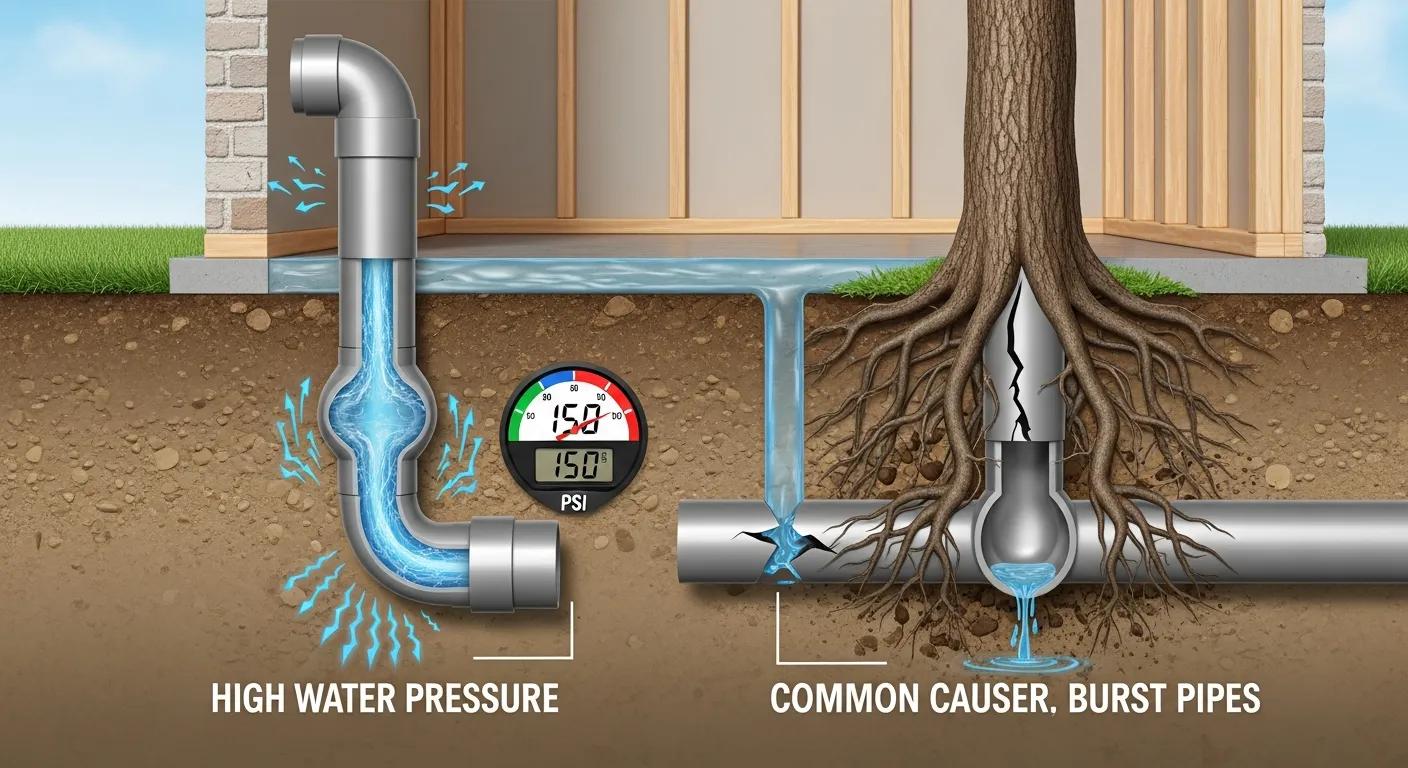
Burst pipes result from mechanical stress, material failure, external intrusion or installation defects; identifying root causes helps select the right repair method and prevent recurrence. Common causes include sustained high water pressure and sudden pressure spikes that fatigue pipe joints, corrosion and ageing materials that weaken pipe walls, and physical damage from tree roots or ground movement that fractures underground mains. Faulty fittings such as worn flexi-hoses, poor workmanship, and local construction activity that shifts soil all contribute to pipe failure. Understanding cause categories guides whether a trenchless relining, open-cut replacement or targeted patch is the appropriate remedial approach.
Below is a short list of frequent cause categories and their implications for repair choice and longevity.
- High water pressure and pressure spikes that stress joints and fittings often require pressure regulation.
- Corrosion and ageing of pipe materials that lead to thinning walls and unpredictable ruptures.
- Tree root intrusion and ground movement that fracture underground pipes and block flow.
- Faulty fittings and poor installation cause concentrated leaks around connections.
Recognising the likely cause on initial inspection helps the plumber prioritise diagnostics such as pressure testing or CCTV inspection before committing to excavation or relining. The next paragraphs explain how pressure and roots specifically create failure mechanisms and what to look for during inspection.
How Does High Water Pressure Lead to Burst Pipes?
Sustained high water pressure increases hoop stress in pipes, accelerating material fatigue and causing micro-fractures that develop into full ruptures over time. Pressure spikes—often from pump starts, hydrant use, or system transients—create sudden loads that can shear joints or dislodge fittings, especially in older copper or corroded steel lines. Testing static and dynamic pressure using a gauge reveals whether a pressure regulator is needed to protect the network; recommended household pressures generally sit below thresholds that promote rapid wear. Addressing pressure issues reduces recurrent leaks, extends pipe life, and can be managed by installing pressure-reducing valves, surge arrestors or by arranging system balancing with a qualified plumber.
Pressure-related failures often present as repeated small leaks before a major rupture, so early detection through monitoring and corrective installation prevents catastrophic damage. Managing pressure ties directly into both repair selection and long-term maintenance plans.
What Role Do Tree Roots and Ground Movement Play in Pipe Bursts?
Tree roots seek moisture and will infiltrate joints or exploit cracks, causing blockages, joint separation and eventual fracture in underground piping systems. Soil movement—driven by seasonal wetting/drying, construction, or compaction—places bending and shear forces on buried pipes, which can separate joints or collapse weaker materials like older clay or aged PVC lines. Detection typically uses CCTV inspection to visualise root intrusion and joint displacement, and trenchless solutions such as pipe relining or directional boring often resolve the issue with minimal surface disruption. Preventive measures include root barriers, selective pruning, and locating high-risk trees away from main routes to limit future recurrence.
Because root and ground movement problems are often progressive, scheduled underground inspections and targeted remediation reduce unexpected emergencies and expensive open-cut excavation later.
How Can You Identify the Signs of a Burst Pipe Early?
Early identification of a burst pipe dramatically reduces repair scope and water damage by enabling prompt intervention. Key signs include visible water pooling and damp patches, audible hissing or running water when fixtures are off, sudden unexplained increases in water bills, discoloured water, and accelerated mould or mildew growth in concealed spaces. Combining visual inspection with metered checks and simple acoustic listening increases detection accuracy, especially for underground or behind-wall leaks. Acting on these signs—isolating areas and arranging a professional leak detection—reduces secondary damage and the complexity of remedial work.
The short checklist below helps prioritise diagnostics and immediate mitigation steps you can perform before the plumber arrives.
- Check for visible pooling, stains and soft spots on floors or ceilings, which indicate active leakage.
- Listen for unusual water sounds behind walls, under floors or near meters during quiet periods.
- Compare recent water bills and check the water meter for continuous flow when all appliances are off.
- Inspect for discoloured or odorous water and for accelerated mould growth in hidden cavities.
These signs guide whether to pursue surface inspection, meter testing or specialist acoustic/CCTV leak detection; the following H3S describe those indicators and how to use your water meter to verify a hidden leak.
What Are the Visible and Audible Indicators of a Burst Pipe?
Visible indicators include wet carpets, ceiling stains, peeling paint, bulging skirting boards and pooling water near fixtures, while audible signs comprise hissing, gurgling or continuous running sounds behind walls or under floors. Conduct a room-by-room check during a quiet period—switch off appliances and listen closely to suspected plumbing runs, and use a torch to inspect dark service voids and subfloor access points. Simple tools like a moisture meter can confirm hidden dampness, helping prioritise areas for professional CCTV inspection or targeted excavation. When you detect these signs, photograph the evidence and limit access to affected zones to prevent further damage and contamination.
Quickly collating audible and visual clues accelerates diagnosis and helps the attending plumber decide between surface repairs, targeted excavation or trenchless methods.
How Does a Sudden Increase in Water Bills Signal a Leak?
A sudden, unexplained spike in water consumption or consistently higher daily usage when fixtures are off typically indicates a hidden leak or continuous flow through a failed valve. To confirm, note the water meter reading, avoid using water for a defined period (an hour or overnight) and recheck the meter—any movement indicates a leak. If continuous flow is confirmed, isolate appliances and repeat the check at the property boundary to determine whether the issue is internal or a mains problem. Documenting meter readings and billing history supports insurance claims and helps the plumber prioritise leak detection methods like acoustic testing or CCTV inspection.
Using the meter as a diagnostic tool is simple yet effective, and it often reveals unseen leaks long before visible damage appears.
What Expert Burst Pipe Repair Services Does Clearwater Provide in Sydney?
Clearwater Plumbing & Civil specialises in emergency plumbing and civil infrastructure services tailored to burst pipe incidents, combining rapid response with advanced diagnostics and repair methods. The company offers 24/7 emergency plumbing, including burst pipe repairs, advanced leak detection (acoustic and CCTV), trenchless solutions such as pipe relining and directional boring, and full replacement works with water damage mitigation for residential, commercial and civil clients across Sydney, Sydney’s Northern Suburbs and Port Macquarie. Clearwater uses trenchless technology to reduce surface disruption and supports projects that require coordination with local councils and stormwater management, where applicable. For urgent assistance and detailed service enquiries, Clearwater Plumbing & Civil can be contacted at 0410 997 080 or chris@clearwaterpc.com.au, and their office is located at 87 Lane Cove Road, Ingleside, NSW, 2101, Australia.
The table below summarises core services, availability and typical use-cases to help property managers and homeowners choose the right approach before the site inspection.
This services table clarifies which methods minimise disruption and when full replacement is unavoidable. Next, the following subsection explains how Clearwater’s emergency response operates from call to temporary containment.
How Does Clearwater’s 24/7 Emergency Response Ensure Rapid Fixes?
Clearwater’s emergency workflow begins with triage on call, rapid deployment of a mobile crew, on-site diagnosis using acoustic/CCTV tools, immediate temporary containment and a clear quote for remedial work and reinstatement. This process ensures water flow is stopped, hazards are contained, and evidence is documented for insurance, while the team outlines repair options such as trenchless relining or open-cut replacement. Communication is maintained through assessment and quoting so customers understand the required steps, likely disruption and reinstatement work. The focus on fast mobilisation and diagnostic clarity helps reduce overall downtime and aligns repair strategy with long-term durability.
Clearwater’s documentation during emergency response supports insurance claims and speeds approvals for follow-up civil coordination where trenchless or directional boring is required.
What Are the Benefits of Trenchless Technology for Burst Pipe Repairs?
Trenchless techniques such as pipe relining and directional boring repair or replace damaged pipes without large-scale excavation, preserving landscaping, driveways and council assets. Benefits include reduced surface disruption, faster completion times and often a more budget-friendly overall investment compared with open-cut excavation, making trenchless a smart option where access and alignment permit. Trenchless is especially suitable for underground mains under sealed surfaces, landscaped gardens or sensitive commercial sites where downtime and visual impact must be minimised. Choosing trenchless requires diagnostic confirmation (CCTV and access pits) to ensure the existing pipe’s condition and alignment are compatible with relining or pull-in methods.
Opting for trenchless methods frequently reduces project complexity and speeds return to service, while open-cut remains necessary for severe structural failure or when alignment prevents lining.
What Investment is Required for Burst Pipe Repair in Sydney and What Affects It?
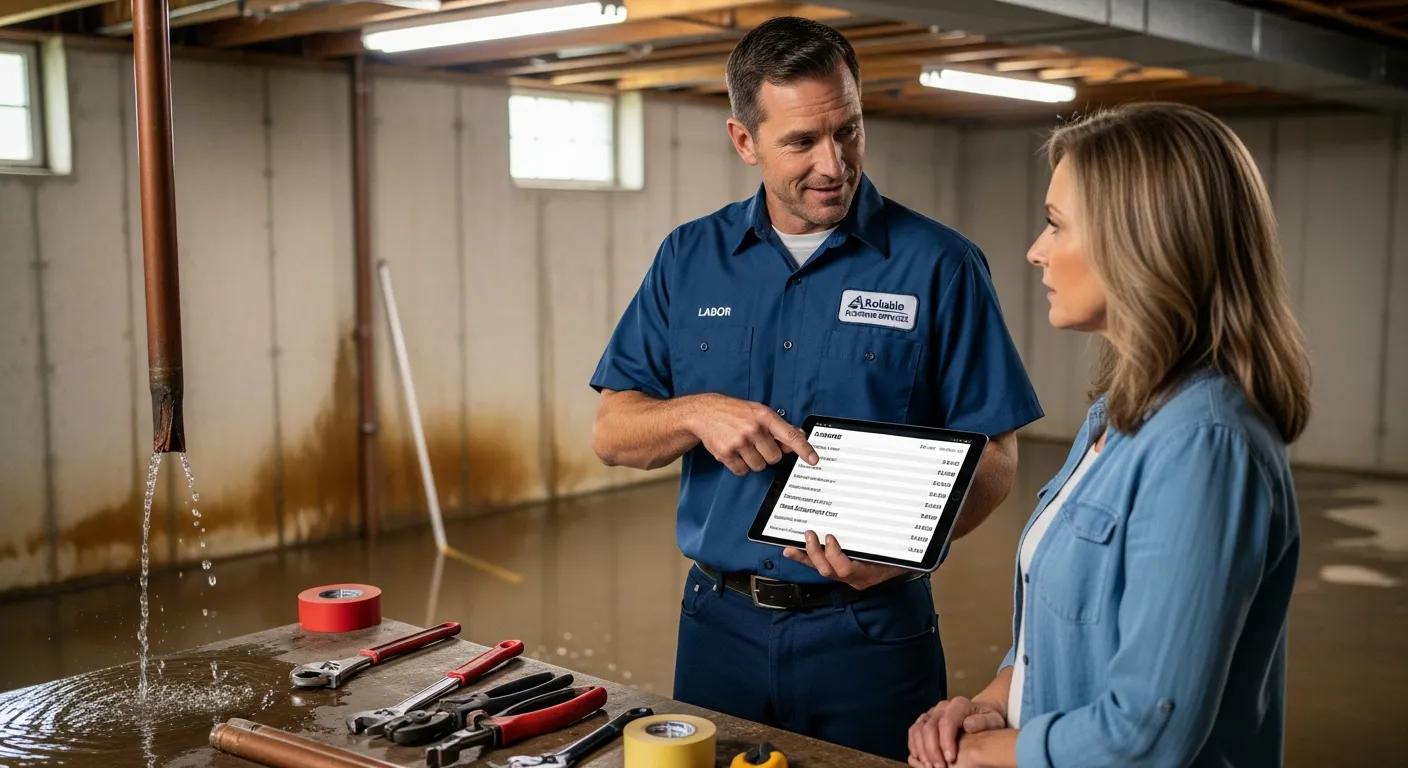
The investment required for repair depends on the method, access, pipe material, location, extent of damage and any reinstatement works; a clear understanding of these factors is essential to avoid surprises. Our typical approach includes an initial assessment for travel and diagnosis, with potential adjustments for after-hours or weekend service. The overall investment will cover diagnostics (acoustic or CCTV) and the agreed repair scope, which may recommend trenchless relining or full replacement with excavation. Clearwater aims to provide clear estimates and documentation that explain which factors apply, such as difficult access, the need for council approvals, landscape reinstatement, or hazardous-site controls. Understanding these factors helps property owners anticipate likely complexity and coordinate insurance or capital works scheduling.
Below is a comparative table that outlines common repair approaches, qualitative investment levels and expected disruption/time considerations to guide decision-making.
This comparison clarifies that while trenchless often reduces surface impact, open-cut replacement can be necessary for total structural failure and will typically involve higher disruption and reinstatement expense. Next, we cover typical initial assessment expectations and how material types influence the overall investment.
What Are Typical Initial Assessment and Service Investment Considerations for Emergency Plumbing?
Our initial assessment process usually includes a service call that covers travel and initial diagnosis, with adjustments for after-hours or weekend service. The overall investment for labour and emergency services varies by complexity and the specific solutions required, and diagnostics such as CCTV or acoustic testing are often considered separately due to specialist equipment. We believe in a clear approach that presents a breakdown of the initial assessment, diagnostic work, parts, labour, and reinstatement, so customers understand which elements contribute to the final investment. When preparing for a repair, gather meter readings, photos and access information to expedite accurate quoting and reduce the risk of unexpected charges.
Clear investment transparency supports insurance documentation and helps compare trenchless versus open-cut options when considering long-term value rather than only upfront expense.
How Do Severity and Pipe Materials Influence Repair Investment?
The severity of the failure—a single joint leak versus a collapsed main—directly changes the intervention scale, with small localised repairs often resolved quickly while extensive collapses may require full replacement and a significant investment in reinstatement. Different materials respond to repair methods differently: copper and PEX may allow straightforward section replacement, while brittle or severely corroded materials and jointed clay systems can necessitate larger-scale replacement or trenchless relining if alignment permits. Access complexity—under concrete, beneath landscaping, or under roadways—also influences the overall investment because of machinery, council coordination, or traffic management needs. Selecting the correct method balances repair longevity with total reinstatement investment and operational downtime.
Understanding material and access impacts during quoting helps owners decide between short-term fixes and durable renewal strategies that reduce future emergencies.
How Can You Prevent Future Burst Pipe Emergencies in Sydney Properties?
Prevention focuses on inspection, asset management and simple on-site measures that reduce the likelihood of rupture and limit consequences when failures occur. Regular inspections, scheduled maintenance, timely replacement of vulnerable fittings such as flexi-hoses, and insulation of exposed pipes are practical steps that reduce failure probability. Managing water pressure with a regulator, monitoring consumption trends, and proactive root management around buried pipes further reduce risk. Combined, these strategies preserve infrastructure and cut the incidence of emergency repairs.
The actionable checklist below summarises preventative measures property owners and facility managers can implement now.
- Schedule periodic visual and professional inspections to identify corrosion, joint weakness and early leaks.
- Install insulation on exposed pipes, and replace aged flexible hoses before failure occurs.
- Fit pressure-reducing valves and monitor system pressure to prevent stress-related failures.
- Manage tree planting and root barriers near main routes, and coordinate with landscapers on tree selection and placement.
Adopting these measures reduces emergency frequency and supports longer-term asset planning that balances capital renewal with maintenance budgets. The final H3S explain practical maintenance activities and pressure/root controls in more detail.
What Maintenance and Insulation Tips Reduce Burst Pipe Risks?
Regular maintenance includes visual checks for dampness, scheduled replacement of flexible hoses and fittings, flushing infrequently used lines to prevent sediment build-up, and professional inspections of underground mains with CCTV every few years where risk is higher. Insulating exposed pipes, particularly in shaded or unheated subfloors and external runs, reduces thermal and environmental stress that can accelerate deterioration. Replace flexi-hoses and ageing connectors proactively as they are common failure points, and retain records of maintenance to support future planning and peace of mind. A simple maintenance log and annual professional review form the backbone of an effective prevention program.
Consistent maintenance both prevents emergencies and ensures faster, more cost-effective repair decisions if a burst does occur.
How Does Managing Water Pressure and Tree Roots Help Prevent Bursts?
Maintaining appropriate system pressure through pressure-reducing valves and periodic pressure testing mitigates stress fatigue on pipes and fittings, reducing the rate of micro-failure that leads to bursts. Root management combines physical barriers, selective pruning and considered landscaping so that high-risk trees are not planted near main lines, and scheduled root clearing in problem zones prevents progressive damage. Coordinating with local council rules and landscapers ensures compliant root control measures that do not harm street trees or infringe on infrastructure regulations. Together, pressure management and root control significantly lower both sudden and progressive pipe failure risks.
Implementing these controls as part of a site-wide asset management plan protects property value and reduces emergency call-outs over time.