If you’re searching for commercial plumbing Sydney businesses can rely on, you’re probably not looking for “a plumber” in the generic sense—you’re looking for a partner who can keep your site running, protect tenants and customers, and coordinate properly when plumbing crosses into drainage and civil work. Clearwater Plumbing & Civil operates across New South Wales, with hubs in Sydney and Port Macquarie, delivering plumbing and civil works for residential, commercial, and civil construction projects.
Minimizing Disruptions: Effective Commercial Plumbing Solutions
In commercial environments, plumbing faults rarely stay contained. A blocked line can become a customer experience issue. A leaking valve can become a safety risk. A back-of-house drainage problem can become a compliance and hygiene headache. And when the issue sits under slabs, driveways, carparks, or near live tenancies, the “fix” is as much about planning and disruption control as it is about tools and parts.
That’s why commercial plumbing is typically approached differently to domestic work: the goal isn’t only to restore function—it’s to do it in a way that protects operations, scheduling, access, and the broader project programme. Clearwater Plumbing & Civil positions itself around professionalism, efficiency, and end-to-end workmanship across plumbing and civil scopes—an approach that suits busy sites where time and coordination matter.
What commercial plumbing covers in practice (and why it often overlaps with civil work)
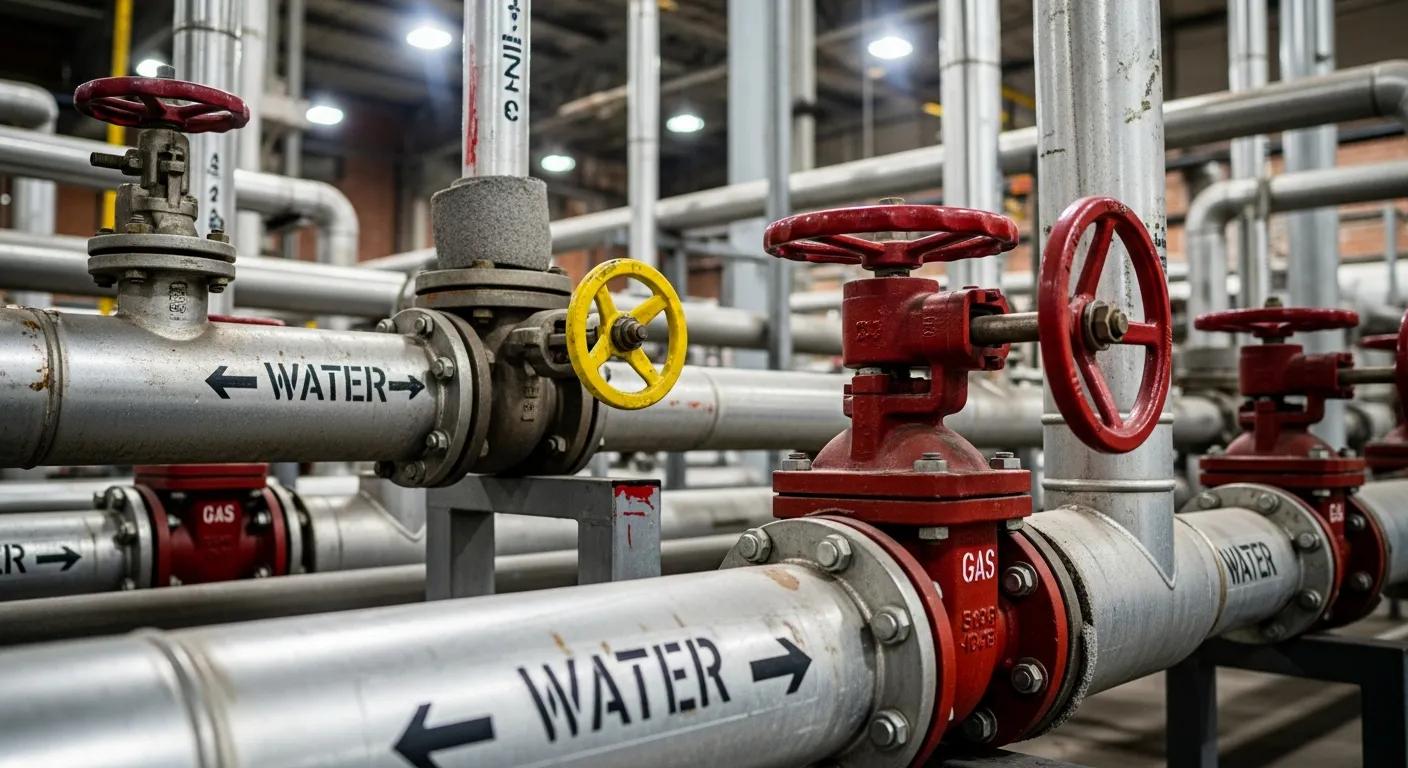
Commercial plumbing services generally include the design, installation, maintenance, and repair of fluid and gas systems within business premises. In the real world, that can mean anything from planned upgrades and fit-out work to fault-finding when something is interrupting trade.
On many Sydney sites, though, plumbing isn’t neatly “inside the building.” Drainage lines run under external pavements. Stormwater systems connect to pits and discharge points. Service connections may need trenching and reinstatement. That’s where a combined plumbing + civil capability can reduce handoffs and miscommunication—especially on projects where drainage, earthworks, and infrastructure interfaces are in play. Clearwater Plumbing & Civil describes its offering as covering plumbing solutions for residential, commercial and civil construction, alongside civil works such as drainage, earthworks and infrastructure development.
For commercial decision-makers, this matters because fewer “batons” being passed between contractors often means fewer delays, fewer site clashes, and clearer accountability when something needs to be adjusted.
Act now vs monitor: how to triage commercial plumbing issues sensibly
One of the trickiest parts of commercial plumbing is deciding what’s urgent, what’s critical, and what’s simply inconvenient.
An urgent response is typically appropriate when you’re dealing with active leaks, sewer overflow, loss of essential amenities, repeated blockages affecting trade, or any issue that threatens property damage or safety. Planned works are usually the better option when you can see deterioration coming—ageing pipework, recurring slow drains, failing fixtures, or a site layout that’s outgrown the existing hydraulic capacity.
A calm, practical triage mindset helps you avoid two common traps:
- treating every issue like an emergency (and burning budget and goodwill), or
- delaying the wrong issue until it turns into a business disruption.
Clearwater’s commercial plumbing content highlights that businesses rely on these services to keep operations running, meet safety expectations, and protect assets—exactly the lens most facility and property managers are forced to use day-to-day.
How to reduce disruption on live sites (the part that separates good from “available”)
For a commercial site, “minimal disruption” isn’t just a nice-to-have. It’s what protects revenue, tenant relationships, and programme dates.
A sensible low-disruption approach usually starts with clear scoping and access planning. That means understanding where the fault is likely to be, what parts of the site are sensitive (public areas, loading zones, plant rooms, tenancies), and what coordination is needed with building management or other trades. It also means planning isolations and shutdown windows properly—so you’re not scrambling with the wrong valves, incomplete information, or a surprise dependency mid-job.
Communication matters here more than people like to admit. Commercial stakeholders don’t just want “fixed”; they want to know what’s happening, what the likely impact is, and what you need from them to keep things moving. Clearwater’s contact messaging emphasises staying in communication until the job is done—useful framing for commercial clients who need predictability, not guesswork.
Coordination that keeps projects moving (especially when plumbing meets drainage and reinstatement)
Sydney commercial work often turns into a coordination exercise. A plumbing repair may require excavation. A new connection may need reinstatement. A drainage upgrade may require earthworks and interface with other site utilities.
This is where having plumbing and civil scopes under one roof can reduce friction. Instead of juggling multiple contractors—one for plumbing, one for drainage, one for earthworks/reinstatement—you’re more likely to get a coherent plan with fewer gaps between “who owns what.”
Clearwater Plumbing & Civil describes its civil capability as including drainage, earthworks, and infrastructure development services, alongside plumbing for commercial and civil construction. That combined scope is particularly relevant when projects involve stormwater/drainage, service connections, or works that sit outside the building footprint.
commercial plumbing sydney: what makes projects harder here (and how to plan around it)
Sydney brings its own set of commercial site realities. Access is often constrained, especially around inner and mid-ring suburbs where loading zones are tight, and pedestrian flow is constant. Many sites have layered history—multiple refurbishments, undocumented alterations, and ageing assets that don’t match what’s on paper. Add live tenancies and business hours, and “simple” jobs start needing genuine planning.
A few common friction points commercial clients run into include:
- unknown or poorly mapped existing services,
- limited shut-down windows,
- tight access for equipment and reinstatement,
- and higher sensitivity around noise, dust, and safety controls.
Clearwater positions itself as servicing clients across New South Wales, with a base in Sydney and another in Port Macquarie, which aligns well with businesses needing a consistent standard of delivery across different locations and asset types.
What a typical commercial plumbing project journey looks like (without surprises)
Every job is different, but commercial plumbing projects tend to run smoother when they follow a steady, transparent flow.
It usually begins with a site conversation and practical assessment—what’s happening, what’s at risk, and what constraints exist on access and timing. From there, a plan is built around the least disruptive path to restore function or deliver the upgrade. That might include coordinating shutdowns, staging work to keep parts of the site operating, and sequencing tasks so dependencies are handled early.
Delivery should be tidy, safety-minded, and clearly communicated. For commercial clients, “tidy” isn’t cosmetic—it’s about protecting public areas, maintaining safe access, and avoiding secondary issues (like water ingress or surface damage). Once works are complete, the handover should focus on what was done, what was tested, and what to monitor next so the same issue doesn’t resurface.
Clearwater’s own commercial plumbing messaging frames their role around end-to-end service—from design/installation through maintenance and repair—which fits the expectation of a complete project pathway rather than a patchwork approach.
How to choose the right commercial plumbing partner (without getting burned later)
Commercial clients don’t just choose on availability—they choose on confidence. A good fit is a contractor who can explain the plan clearly, work safely in live environments, and coordinate effectively when plumbing work touches drainage and external works.
It helps to look for teams that are comfortable with stakeholder management (property managers, strata, tenants, builders), can work within site rules, and can align their work to programme constraints. In Sydney especially, it’s also worth prioritising a provider that can support both plumbing and civil interfaces, because so many “plumbing” jobs don’t stay neatly inside four walls.
Clearwater Plumbing & Civil presents itself as providing plumbing and civil services across Sydney and broader NSW, with an emphasis on professionalism and efficiency—traits that matter most when your site can’t afford disruption or confusion.
FAQs about commercial plumbing in Sydney
How is commercial plumbing different from residential plumbing?
Commercial plumbing typically involves larger systems, higher usage, and stricter operational constraints—like keeping amenities running for staff, tenants, or customers. The work often needs stronger planning around access, shutdown windows, and coordination with site management.
Can commercial plumbing works be staged to keep businesses operating?
Often, yes—especially for upgrades or non-urgent works. The practical approach is to plan isolations and sequencing so critical areas stay functional, then complete the remaining work in stages that suit the site’s operating needs.
What should a facilities manager prepare before calling a commercial plumber?
It’s helpful to know where the issue is showing up, what areas are affected, and whether there are access restrictions (plant rooms, ceilings, loading docks, tenancies). If you have any site documentation—previous reports, service drawings, or known shutoff locations—that can also speed up the assessment.
How do you reduce disruption on sites with tenants or customers?
Disruption is reduced through planning access and isolations, communicating clearly with stakeholders, protecting public areas, and sequencing the job so high-impact activities are minimised. The most important part is setting expectations early, so there are no surprises mid-job.
When does commercial plumbing overlap with drainage or civil works?
It commonly overlaps when pipes and drainage run under external areas like carparks, pavements, or driveways, or when service connections and stormwater drainage need excavation and reinstatement. Having plumbing and civil works coordinated can reduce delays and simplify accountability.
How do I know if an issue is a one-off or a recurring system problem?
If the same blockage, leak, or pressure issue keeps returning, it usually points to an underlying cause rather than a single isolated fault. A structured assessment and a practical plan for prevention can save significant downtime over time.
Keep your Sydney site running with plumbing that’s planned properly
When you’re responsible for a commercial site, you don’t just need a fix—you need a solution that respects operations, tenants, safety, and the bigger project picture. Clearwater Plumbing & Civil supports commercial plumbing and civil works across New South Wales, with hubs in Sydney and Port Macquarie, and an approach built around professionalism, efficiency, and end-to-end delivery.
If you need help scoping a commercial plumbing issue, planning an upgrade, or coordinating plumbing with drainage and external works, reach out to the team.
Call:0410 997 080Email:chris@clearwaterpc.com.au