Commercial Drain Cleaning Services Sydney: Expert Solutions for Blocked and Industrial Drains
Commercial drain cleaning in Sydney involves specialised interventions that remove blockages, protect your business continuity and ensure regulatory compliance for larger plumbing and stormwater networks. This guide explains the principal methods we use in commercial settings — including hydro jetting, CCTV drain inspection and trenchless repairs — and clarifies why these approaches differ from residential solutions by focusing on flow capacity, contamination risk and minimal operational disruption. You’ll discover how our emergency response works, which property types need specialist services, typical investment factors, and preventative maintenance strategies to reduce downtime and long-term expense. We map techniques to common problems such as grease, roots and stormwater sediment, and highlight how modern trenchless options and civil capabilities reduce excavation and restoration impacts. Across sections we integrate practical checklists, comparison tables and clear next steps so facilities managers and business owners can choose appropriate services and plan maintenance with confidence.
Why Do Commercial Drains in Sydney Require Specialist Cleaning?
Commercial drains require specialist cleaning because they handle higher flow rates, diverse waste streams and strict health or environmental compliance obligations that ordinary residential services are not set up to manage. Our specialist cleaning utilises industrial-grade equipment and diagnostic tools that effectively remove heavy grease, solids and root intrusion while preserving pipe integrity and reducing interruption to your operations. Businesses gain value by reducing liability from health code breaches and avoiding prolonged business interruption through targeted diagnostics and repair planning. The following section outlines the most common problems and how Sydney’s environment influences blockage patterns to help decision-makers prioritise interventions and maintenance.
What Common Problems Affect Commercial and Industrial Drains?
Commercial and industrial drains face recurring issues that demand tailored solutions, especially in high-use kitchens, factories and multi-tenant complexes. Grease accumulation in foodservice facilities creates sticky build-ups that narrow flow paths and attract solid waste, while industrial sites can deposit larger solids or chemical residues that require specialised removal. Tree root intrusion, scale from hard water and fallen debris or collapsed sections in ageing infrastructure further complicate cleaning and repair. Early signs include slow drains across multiple fixtures, repeated localised clogs and strong odours; recognising these can prompt timely CCTV diagnosis and trenchless repair to avoid excavation and prolonged downtime.
How Does Sydney’s Environment Impact Drain Blockages?
Sydney’s coastal climate and storm patterns influence how stormwater and sewer networks behave, with heavy rainfall events rapidly mobilising sediment and debris into commercial external drains. Urban tree species and soil movement can exacerbate root infiltration into sub-surface pipes, and tightly packed streets in inner suburbs often restrict access for excavation, favouring trenchless methods. Local council stormwater controls and Sydney Water interfaces mean that businesses may need documented inspections and cooperation with authorities for major works. Understanding these local drivers helps facilities managers time maintenance before high-risk seasons and choose interventions that minimise surface disruption and compliance risk.
Maximizing Commercial Drain Efficiency: Expert Sydney Solutions
Explore Our Commercial Drain Cleaning Solutions
Our commercial drain cleaning solutions combine advanced cleaning, precise diagnostics and low-disruption repair methods to restore flow and extend asset life for businesses across Sydney. Typical workflows pair CCTV inspection to locate faults, hydro jetting to remove grease and scale, and trenchless relining or directional boring where pipe rehabilitation is required without full excavation. These integrated methods reduce restoration time, lower overall project investment and limit impacts on operations compared with traditional dig-and-replace approaches. The table below compares common approaches and their ideal commercial use-cases to help managers select the right method for specific blockages and site constraints.
This comparison shows how matching method to cause preserves assets and reduces business interruption, with trenchless options especially valuable where surface access is constrained.
How Does Hydro Jetting Effectively Clear Commercial Blocked Drains?
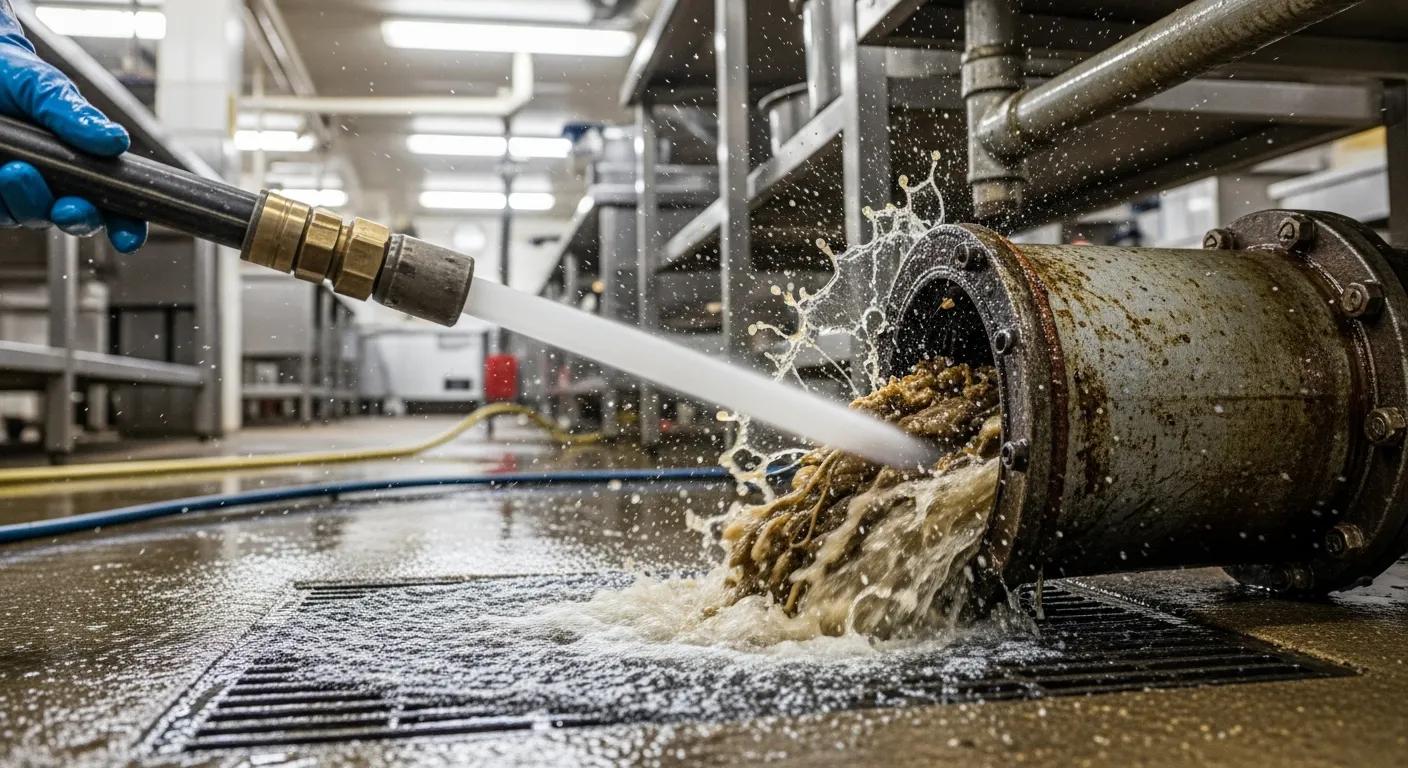
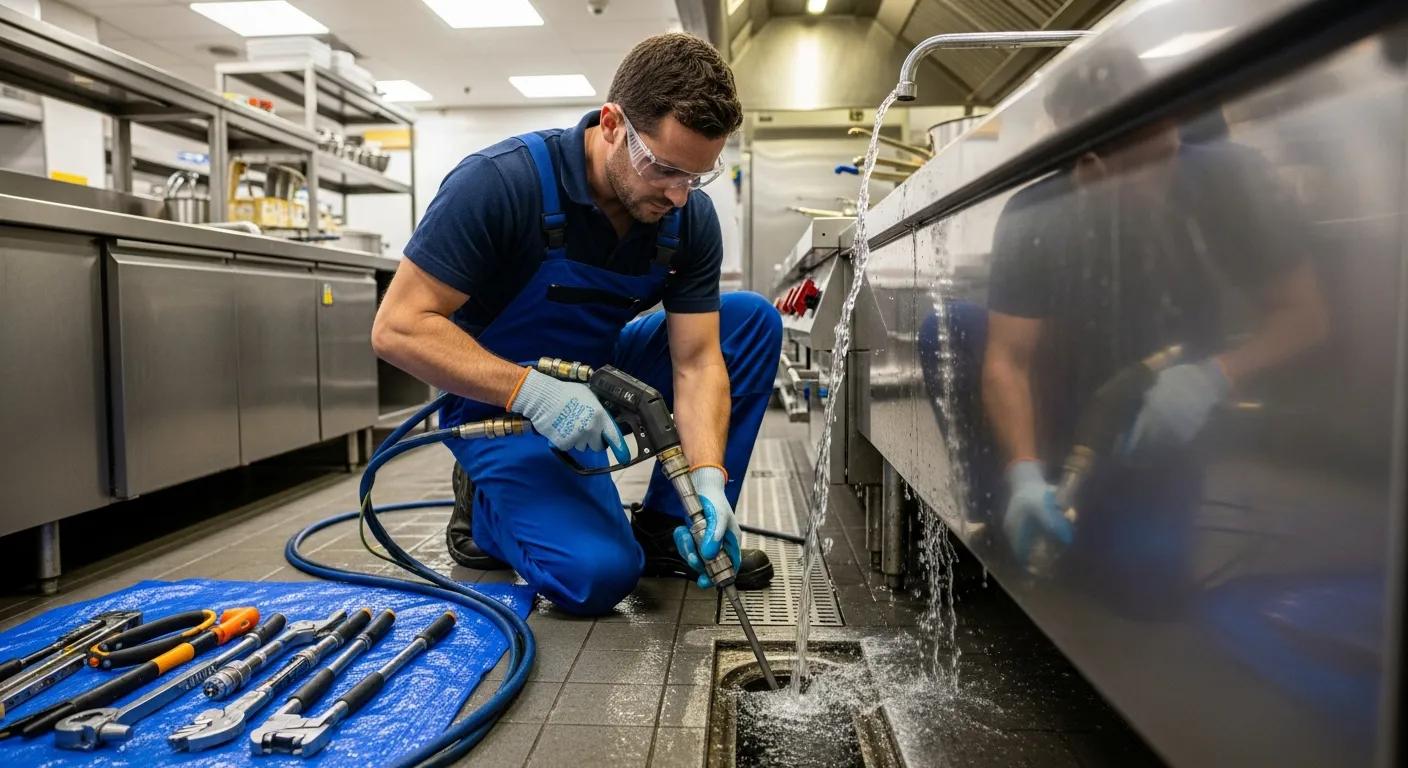
Hydro jetting uses high-pressure water delivered through specialised nozzles to shear away grease, biofilm, roots and mineral scale from pipe walls, restoring full flow capacity. In commercial contexts, pressure ranges and nozzle selection are calibrated to clear heavy accumulations while protecting pipe linings and adjacent equipment, and our crews set up containment to protect your flooring and surfaces. The procedure typically follows a diagnostic CCTV pass, controlled access and then verification footage to confirm clearance; this sequence reduces repeat visits and supports accurate invoicing. Hydro jetting’s non-invasive nature and speed make it a preferred first-line method for restaurants, food-processing areas and high-throughput drains where rapid recovery is essential.
What Are the Benefits of CCTV Drain Inspections for Commercial Properties?
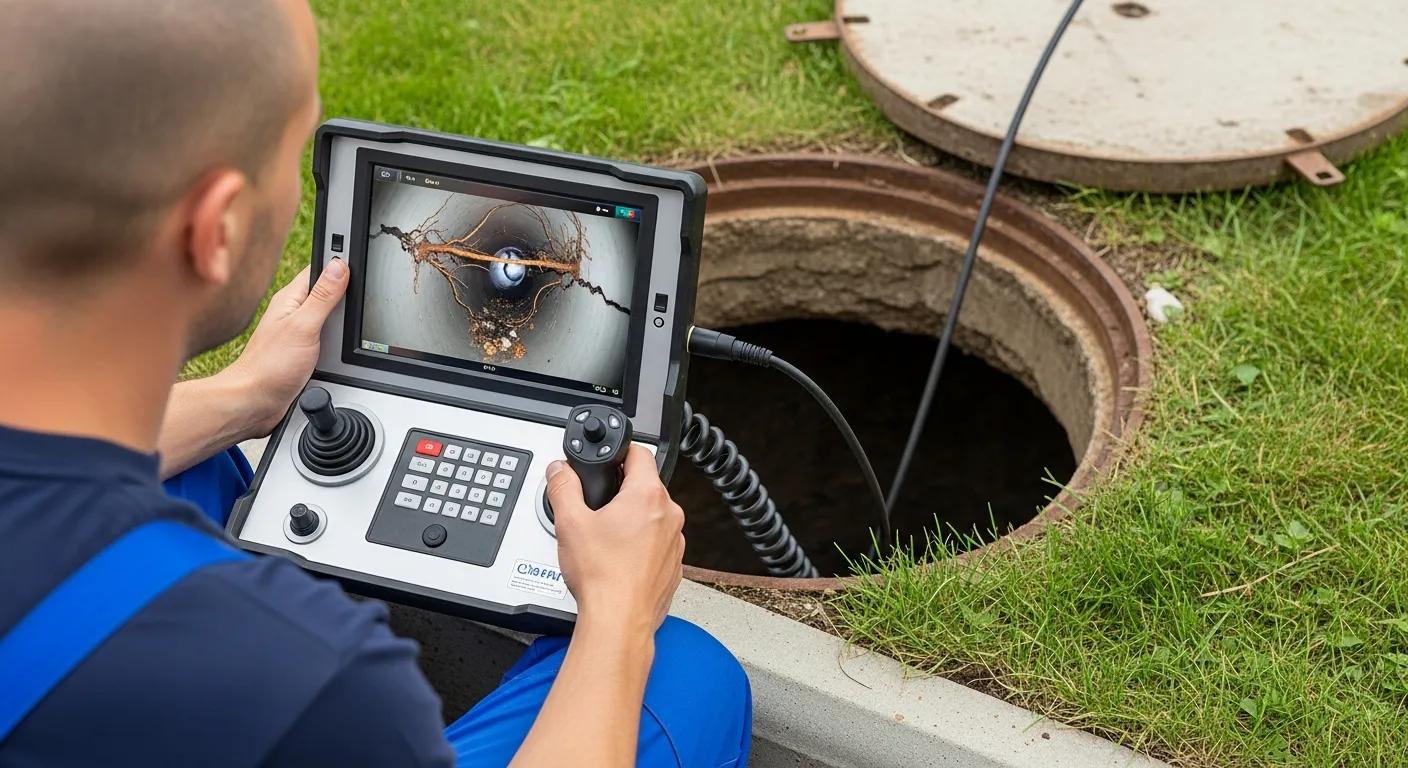
CCTV drain cameras provide non-destructive, location-precise diagnosis that identifies blockages, fractures, offset joints and root ingress while producing time-stamped video and stills for compliance records. This diagnostic step reduces uncertainty in quotations, enabling targeted cleaning or relining rather than disruptive excavation based on assumptions. Deliverables from a CCTV survey typically include a mapped defect log, distance-to-fault measurements and recommended interventions, which support procurement and stakeholder approvals on commercial projects. For busy sites, CCTV-driven workflows lower the risk of contractor disputes and speed decision-making by showing clear evidence of condition and enabling prioritised, staged repairs.
How Does Emergency Commercial Drain Cleaning Work in Sydney?
Emergency commercial drain cleaning follows a structured triage and response model that stabilises hazards quickly and minimises operational losses. The process begins with an urgent assessment over the phone to establish severity, safety risks and immediate containment needs, followed by rapid mobilisation of compatible equipment for temporary relief such as vacuuming or bypass pumping. On-site diagnostics using CCTV then inform whether hydro jetting, temporary bypass or more extensive trenchless repair is required, and crews coordinate traffic and access management to reduce business interruption. Clear communication and staged reporting during emergency works ensure decision-makers remain informed and can plan follow-up rehabilitation or maintenance to prevent recurrence.
When Should Businesses Request 24/7 Emergency Drain Cleaning?
Request Emergency Drain Cleaning Now
Businesses should request emergency drain cleaning immediately when drains pose health or operational risks that cannot wait for standard business-hours service. Clear triggers include sewage overflow into occupied spaces, strong sewer odours indicating system failure, multiple fixtures blocked across a building and drainage issues causing immediate fire-safety or food-safety hazards. Immediate steps while awaiting assistance are to isolate affected zones, suspend water-based operations where safe to do so, and restrict public or staff access to contaminated areas to reduce exposure. Prompt emergency engagement reduces property damage, protects occupants and helps satisfy reporting obligations to regulators or insurers.
- Sewage overflow: Call emergency service when raw sewage enters occupied premises.
- Multiple blocked fixtures: Request immediate response if blockages affect several areas.
- Health hazard odours: Act quickly on persistent sewer smells that indicate system breach.
Taking these steps limits contamination and gives technicians room to perform safe temporary relief and diagnostics.
How Does Clearwater Ensure Rapid Response and Minimal Disruption?
Clearwater Plumbing & Civil leverages dedicated mobilisation practices, equipment staging and civil coordination to respond quickly while limiting site impacts for urgent commercial jobs. Our rapid response includes pre-packed kits for temporary relief, CCTV triage capability and trenchless options ready to deploy where access constraints make excavation impractical. On-site measures include protective matting, traffic management plans and discrete scheduling to work outside peak hours where possible, all documented to keep stakeholders informed. Our emphasis on civil competence ensures that when emergencies reveal deeper infrastructure issues, teams can coordinate directional boring or stormwater reinstatement efficiently, reducing project handover time and overall disruption.
Which Types of Commercial Properties Benefit from Professional Drain Cleaning in Sydney?
A wide range of property types benefit from professional commercial drain cleaning, as each class faces specific drainage challenges that require tailored interventions and maintenance cadences. Restaurants contend with grease and health-compliance needs that demand frequent grease trap management and scheduled hydro jetting, offices experience intermittent but high-impact fixture blockages, and industrial sites require handling of solids and chemical residues with heavy-duty cleaning. Retail centres and government properties often need unobtrusive scheduling, CCTV mapping and comprehensive documentation owing to public access and regulatory oversight. Understanding how our services map to property types helps building managers allocate maintenance budgets and choose contract terms that reduce emergency risk.
How Are Restaurants, Offices, and Industrial Facilities Affected by Drain Issues?
Restaurants face persistent grease management challenges where improperly maintained traps quickly lead to kitchen shutdowns and compliance breaches, so monthly or fortnightly maintenance is common to avoid emergencies. Offices typically have less frequent use but face high-consequence blockages in bathrooms or main stacks that disrupt tenant operations and require timely CCTV diagnosis to avoid escalation. Industrial facilities may discharge solids or chemical by-products that demand robust removal strategies, specialised containment and coordination with environmental controls to meet disposal regulations. These distinctions guide selection of hydro jetting intensity, CCTV frequencies and when to schedule trenchless relining versus targeted cleaning.
What Drain Cleaning Solutions Suit Retail and Government Buildings?
Retail complexes and government buildings benefit from planned maintenance programmes that emphasise minimal public disruption, clear documentation and coordination with multiple stakeholders. CCTV surveys and network mapping are particularly valuable in these settings to produce asset records and to sequence works around opening hours or events. Trenchless relining and directional boring are often preferred for large external stormwater and sewer runs to avoid long-term closure of walkways or roads. Contractual arrangements that include scheduled inspections, rapid-response clauses and reporting provide the assurance required by public sector procurement and property managers.
What Are the Typical Investment Factors for Commercial Drain Cleaning in Sydney?
Understanding the investment for commercial drain cleaning in Sydney involves considering factors like access complexity, the severity of the blockage, the methods required, and whether works are needed outside standard hours. We believe in transparent discussions to help businesses plan their budgets effectively. While a basic hydro jetting job with CCTV diagnosis forms a core service, additional considerations may apply for confined access, relining, excavation, or multi-day civil coordination. An on-site assessment is always recommended to provide you with an accurate and tailored quotation. The table below outlines typical services and the factors that influence their investment, providing context for your maintenance planning.
This overview highlights that the chosen method and site constraints are key factors influencing your investment, and a detailed on-site assessment will always provide the most accurate quotation.
How Much Does Hydro Jetting and CCTV Inspection Cost for Businesses?
The investment for hydro jetting reflects the time, specialised equipment, and containment needs of commercial jobs. Routine line clears are typically more straightforward, while jobs requiring confined-space entry or bypass pumping will involve a greater investment. CCTV inspections are tailored to access difficulty and footage length, but their diagnostic value often leads to significant savings by avoiding unnecessary excavation and enabling targeted relining or repair. We offer no-obligation site assessments that can include CCTV and an indicative proposal for cleaning, helping you weigh immediate cleaning against longer-term rehabilitation. Requesting a written scope and condition report reduces procurement risk and supports capital planning for your pipe assets.
What Influences Emergency Commercial Drain Cleaning Investment?
The investment for emergency services is influenced by urgency, out-of-hours call-out considerations, specialist equipment requirements such as bypass pumping or vacuum suction, and any necessary traffic or safety management obligations. More extensive works, multi-day projects, or incidents requiring coordination with civil contractors, permits, or council interfaces will naturally involve a greater investment in labour and logistics. Similarly, complex reinstatement after excavation can add to the overall project scope. Regular preventative maintenance and scheduled inspections are the most effective way businesses can minimise the need for emergency services, identifying issues before they escalate. Investing in preventive programmes often yields significant long-term savings compared to frequent emergency responses.
How Can Businesses Prevent Blocked Drains with Regular Maintenance?
Preventative maintenance reduces the incidence of emergency blockages, extends pipe life and provides predictable budgeting for drain assets through scheduled inspection and cleaning regimes tailored to property use. Core preventative activities include grease trap servicing, periodic hydro jetting, scheduled CCTV surveys and keeping external stormwater pits clear of sediment and debris. Trenchless technologies such as relining are also part of long-term strategies to rehabilitate ageing pipes without repeated excavation, and directional boring can facilitate utility reinstatement when underground works are necessary. The maintenance frequency table below helps property managers select cadences appropriate to their risk profile and operational requirements.
Preventative maintenance aligns technical interventions with business outcomes by reducing downtime and improving compliance, and this table provides practical guidance for scheduling.
- Reduce emergency call-outs: Regular cleaning prevents crisis failures.
- Maintain compliance: Scheduled servicing supports health and environmental obligations.
- Extend asset life: Early repairs avoid costly replacements.
These benefits demonstrate that modest recurring investment in maintenance yields significant operational and financial returns over time.
How Does Trenchless Technology Minimise Disruption During Maintenance?
Trenchless techniques such as cured-in-place pipe relining and directional boring repair or replace pipelines with minimal surface excavation, reducing restoration costs and shortening project timelines. Relining seals defects from inside the pipe, avoiding the need for open trenches and associated traffic or tenant disruption, while directional boring installs new conduits beneath surfaces for utility reinstatement with little above-ground disturbance. These methods work particularly well in urban Sydney locations where access is limited and reinstatement costs for pavements and landscaping are high. Selecting trenchless interventions as part of a preventative or rehabilitative strategy keeps businesses operational and lowers overall lifecycle investment for drainage networks.