Expert Sewer and Drainage Plumbing Services Near You in Sydney and NSW
Sewer and drainage plumbing services cover the inspection, maintenance and repair of sewer lines, stormwater drains and associated infrastructure that protect properties from sewage backups and flooding. This guide explores how to recognise blocked drains, the diagnostic and clearing techniques professionals use, trenchless repair options such as pipe relining and directional boring, emergency response expectations, stormwater drainage choices and civil/commercial drainage approaches for large projects in Sydney and NSW. Readers will learn practical steps to detect problems early, the advantages and limits of hydro-jetting and CCTV inspection, how trenchless relining compares with replacement, and what councils typically require for stormwater works. Throughout the guide, we use current industry language and semantic clarity to make decision points simple: when to DIY basic containment, when to call a professional, and how modern trenchless methods reduce disruption. This resource features comparison tables for repair methods, diagnostic techniques and stormwater options, plus actionable lists and clear guidance tailored to homeowners, business operators and project managers across Sydney, the Northern Suburbs and Port Macquarie.
What Are the Common Signs and Causes of Blocked Drains in Sydney?
Blocked drains in Sydney commonly present through reduced flow, unusual sounds and odours caused by partial or full sewer obstructions that restrict waste movement and trap gases. Identifying these issues early prevents health risks and property damage by restoring proper flow and avoiding backups that can affect multiple fixtures. Understanding the typical causes—organic build-up, grease, foreign objects, tree root ingress and structural deterioration—helps prioritise diagnostics and select the least invasive repair option. The following subsections explain how to spot symptoms and why particular causes are prevalent in urban NSW, and then outline when to escalate to professional inspection.
How to Identify Blocked Drains: Symptoms and Risks
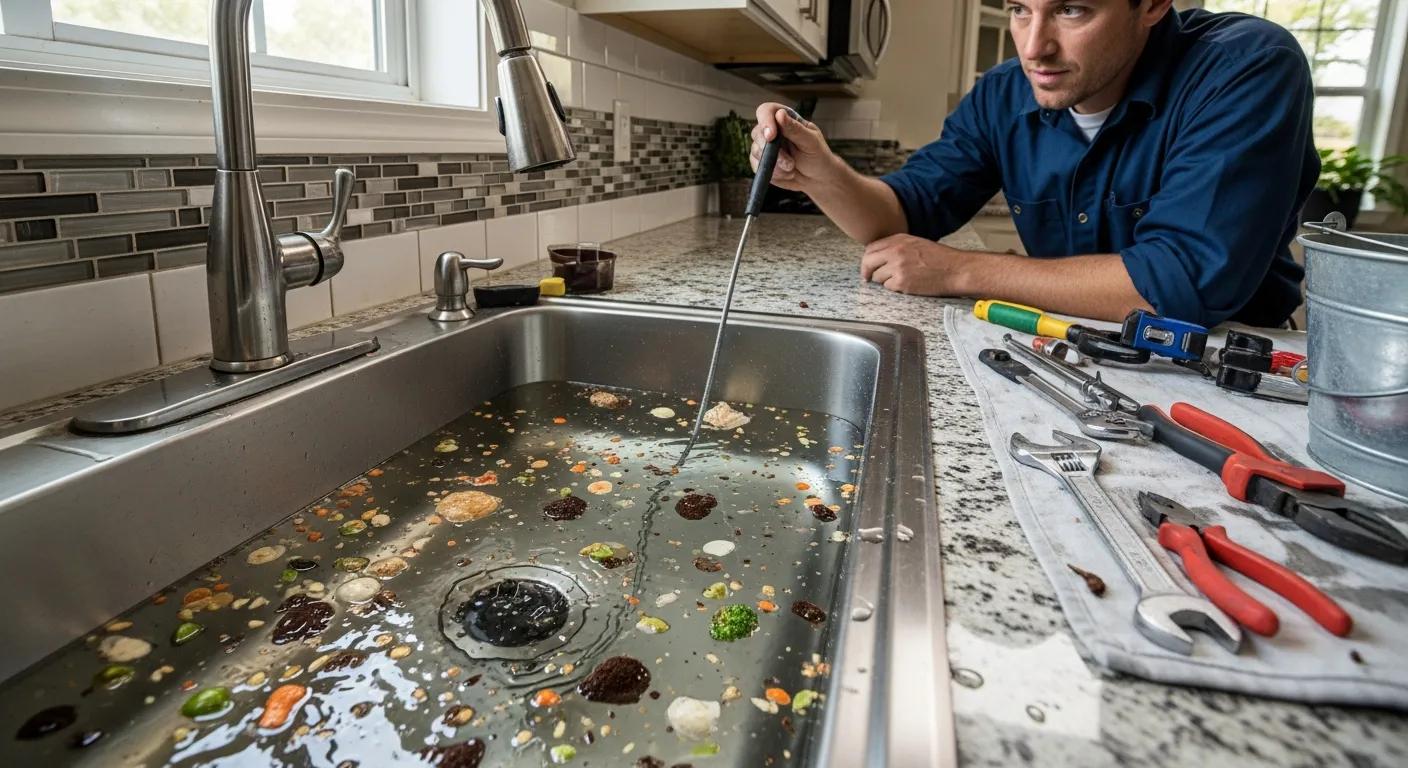
Recognising a blocked drain begins with observing persistent symptoms like slow draining water, gurgling noises, foul odours and repeated overflows from fixtures; each symptom indicates progressively more severe obstruction. Slow drainage at a single fixture often points to a local trap or sink blockage, while simultaneous slow drainage across multiple outlets suggests a main line problem that carries a higher risk of sewage backup. Foul odours signal trapped organic matter and anaerobic decomposition, which pose sanitary hazards and require immediate attention to prevent odour migration and health impacts. If initial DIY clearing fails or multiple signs appear, arrange a professional CCTV inspection to determine the scope and avoid ineffective interventions.
What Causes Blocked Drains: Tree Roots, Debris, and More
Tree roots invade joints and cracks seeking moisture, gradually wedging apart clay or older jointed pipes and producing recurrent blockages and physical damage that often require trenchless repair or replacement. Grease and accumulated solids adhere to pipe walls, narrowing flow and creating snag points for further debris; this is common in kitchen waste lines and commercial kitchens where fats are poured down drains. Foreign objects, collapsed sections and displaced joints—especially in ageing infrastructure—cause structural obstructions that hydro-jetting may not fully resolve and can necessitate relining or targeted excavation. Early diagnosis with CCTV differentiates these causes and guides the choice between mechanical clearing, relining or replacement.
How Do Professional Blocked Drain Clearing Services Work?
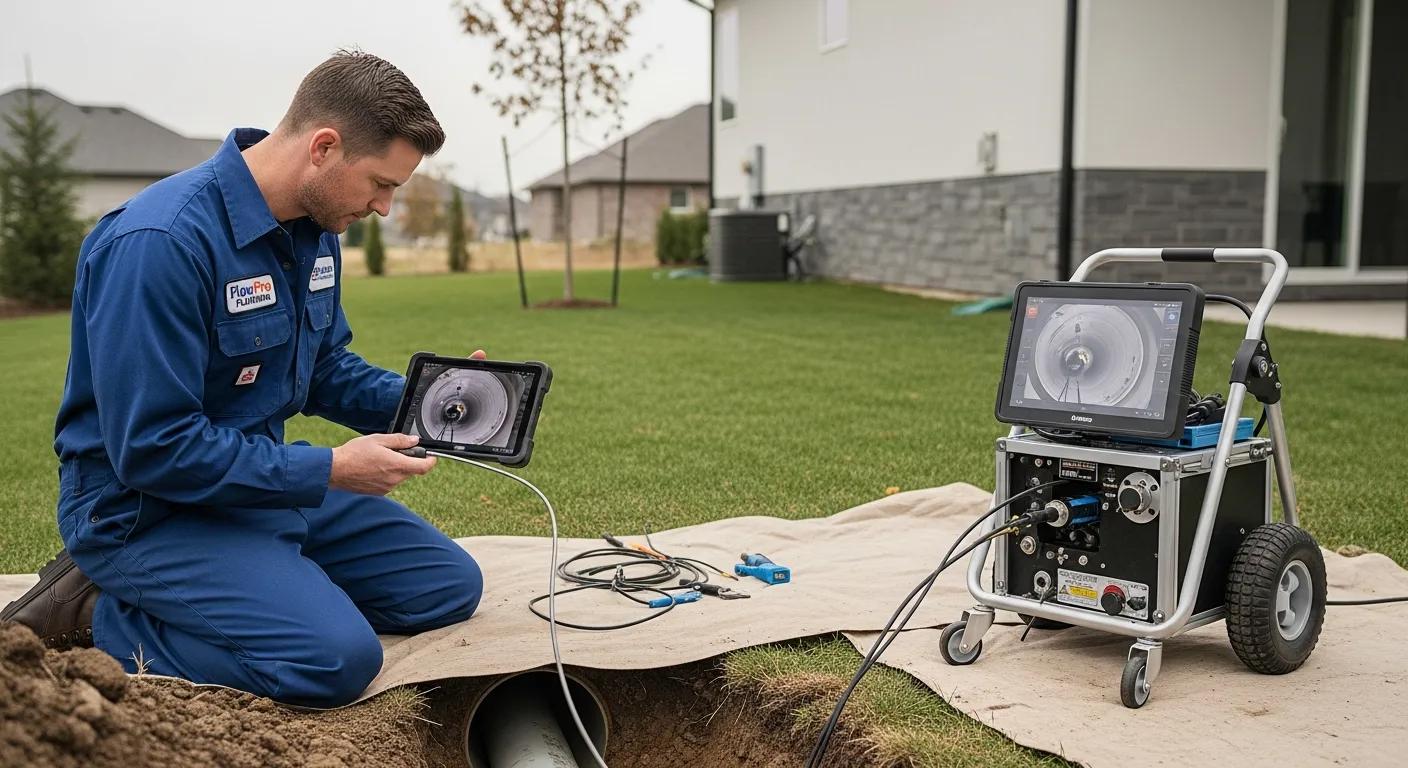
Professional blocked drain clearing follows a diagnostic-first workflow: inspect, identify, clear and verify to ensure a lasting solution while avoiding unnecessary excavation or repeat call-outs. Technicians use CCTV inspection to pinpoint the blockage location and cause, then select an appropriate clearing method—mechanical rodding, hydro-jetting or targeted cutting—based on pipe material and condition. After clearing, professionals re-inspect with CCTV to confirm flow restoration and assess remaining defects that might require relining or patch repair; this process supports transparent quoting and ensures clear expectations regarding your investment.
Introductory guidance on common diagnostic and clearing options follows to clarify when each technique is recommended and the rationale behind choosing one method over another.
- CCTV Inspection: Provides visual diagnosis of blockage type and location for accurate planning.
- Hydro-jetting: Uses high-pressure water to scour deposits and restore pipe wall condition.
- Mechanical Rodding: Physical removal for discrete obstructions like tree roots or lodged objects.
These diagnostic and clearing options reduce unnecessary excavation and produce transparent investment plans and repair strategies, enabling property owners to choose maintenance or capital repair solutions with confidence.
What Is Hydro Jetting and How Does It Clear Blocked Drains?
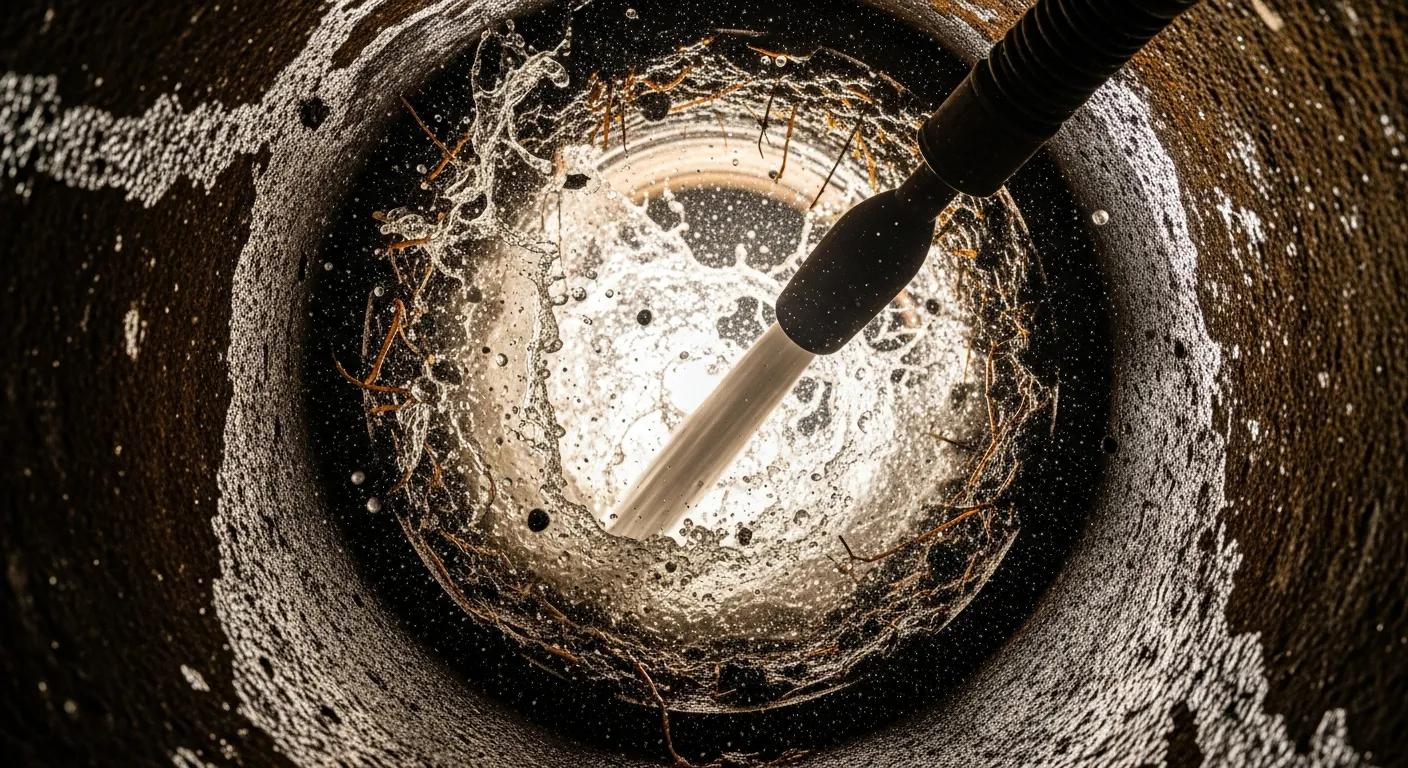
Hydro-jetting clears blocked drains by directing a high-pressure, controlled water stream through the pipe to dislodge grease, silt and minor root intrusions while scouring the inner surface to restore flow. The method excels at removing soft deposits and grease rings that mechanical rodding simply punches through, leaving residual build-up; this makes hydro-jetting a preferred maintenance option for commercial kitchens and heavily used lines. However, hydro-jetting can stress older, fragile or collapsed pipes, so pre-inspection with CCTV is essential to avoid worsening structural damage during cleaning. When used appropriately, hydro-jetting reduces recurrence and extends the functional life of a pipeline until a permanent repair like relining can be planned.
How Does CCTV Drain Inspection Help Diagnose Drainage Issues?
CCTV drain inspection involves running a waterproof camera through the sewer or stormwater pipe to record video and map defects, giving technicians exact evidence of blockages, cracks, joint separations and root intrusions. The recorded footage and a concise report enable targeted repairs, transparent investment proposals and a decision framework for choosing between cleaning, relining or excavation. CCTV is especially valuable before trenchless relining because it verifies whether the pipe geometry and access are suitable and identifies lateral connections that must be managed during relining. Using CCTV first reduces guesswork, prevents unnecessary disruption and supports transparent communication between property owners, contractors and council stakeholders.
These diagnostic comparisons demonstrate how combining CCTV with the correct clearing tool yields a durable, investment-transparent repair strategy that minimises repeat visits.
What Are the Benefits and Investment of Pipe Relining in Sydney?
Pipe relining is a trenchless technique that repairs damaged sewer or stormwater pipes by inserting a resin-saturated liner, which cures in place to form a seamless new pipe within the old host, delivering a no-dig solution with reduced surface disruption. The main benefits include preservation of landscaping and pavement, faster project delivery, improved hydraulic performance and a durable solution that resists root ingress and corrosion. Factors influencing your investment in Sydney typically include pipe length and diameter, depth and access constraints, number of lateral connections, and council permitting or location-specific requirements; accurate CCTV inspection is essential to provide a clear, site-specific investment proposal.
For clients seeking transparent investment insights and diagnostic certainty, Clearwater Plumbing & Civil offers CCTV inspection and clear investment proposals as part of their service process, aligned with the company’s broader purpose: to provide specialised, high-quality plumbing and civil infrastructure services across Sydney, with a focus on directional boring, stormwater management, and commercial and industrial plumbing projects.
This comparison clarifies when relining is a smart investment versus replacement and why a CCTV-based assessment is crucial for a precise investment plan.
How Does Trenchless Pipe Relining Repair Sewer and Drain Pipes?
Trenchless pipe relining begins with CCTV inspection to assess pipe condition, followed by thorough cleaning—often via hydro-jetting—to prepare the internal surface for adhesion, and then insertion of a resin-impregnated liner that is inverted or pulled into position and cured to form a new inner pipe. Materials commonly include epoxy or polyurethane resins, which harden to create a continuous, jointless pipe resistant to leaks and root intrusion; cured-in-place pipe linings typically deliver decades of service when properly installed. The process minimises surface excavation, preserves landscaping and pavements, and allows lateral connections to be reinstated with minimal disruption. Post-cure CCTV verification confirms the integrity of the new lining and confirms the high quality and long-term performance of your new lining, ensuring lasting peace of mind.
What Factors Influence Pipe Relining Investment in Sydney?
The investment for relining depends primarily on access difficulty, total pipe length and diameter, number and type of laterals requiring reinstatement, and the presence of collapsed sections, which may need pre-repair; urban Sydney jobs can involve a higher investment where traffic or council permits are involved. Other factors influencing the investment include driveway or pavement reinstatement needs, confined-space access complexities and the resin system selected based on pipe material and required lifespan; these factors explain why general per-metre figures are only estimates. Property owners should prioritise a CCTV inspection because visual evidence allows contractors to offer a transparent, itemised investment proposal rather than a general estimate. Clear documentation of defects, recommended works and expected outcomes enhances your investment planning and minimises the risk of unforeseen expenses during relining projects.
How Can Emergency Plumbing Services Help With Sewer and Drainage Problems?
Emergency plumbing services respond to urgent sewer and drainage incidents—such as sewage backups, major blockages and damaged mains—that threaten health, property and business operations, providing containment, temporary mitigation and immediate repairs to limit damage. Rapid triage by qualified technicians identifies whether the issue is a cleanable blockage or a structural failure requiring more extensive intervention, and emergency action often includes isolating affected systems, clearing obstructions where safe, and arranging CCTV diagnostics for permanent repair planning. Emergency responders also advise on short-term containment and hygienic practices to protect occupants and reduce property losses while longer-term repairs are scheduled. Below are triggers for emergency call-outs and practical safety steps to take before help arrives, followed by a brief note about reliable service attributes.
When rapid, quality emergency support is needed, Clearwater Plumbing & Civil’s purpose remains to provide specialised, high-quality plumbing and civil infrastructure services across Sydney, with a focus on directional boring, stormwater management, and commercial and industrial plumbing projects.
- Immediate containment: Shut off water where possible and contain overflows to reduce spread.
- Avoid DIY exposure: Do not enter contaminated water or attempt deep rodding without PPE.
- Call professionals: Engage emergency plumbers if sewage is inside the building or multiple outlets are blocked.
These steps help limit contamination and property damage before technicians arrive, after which a structured diagnostic and repair plan reduces business interruption and health risks.
When Should You Call an Emergency Plumber for Blocked Drains or Sewer Repairs?
When you observe sewage backing into fixtures, multiple outlets simultaneously blocked, uncontrollable flooding from drains or visible pipe collapse—these signs indicate a systemic failure that presents immediate health and structural risks. If sewage is entering living spaces or wastewater is pooling rapidly, these are urgent safety concerns that require professional containment and remediation to avoid prolonged exposure to pathogens and significant secondary damage, such as flooring and wall contamination. Before the emergency team arrives, isolate water supplies where possible, avoid using electrical appliances near contaminated areas and evacuate affected zones to reduce risk. Rapid triage on arrival by an equipped technician will prioritise immediate containment, temporary bypass solutions and scheduling of definitive repairs like relining or replacement. Call an emergency plumber when you observe sewage backing into fixtures, multiple outlets simultaneously blocked, uncontrollable flooding from drains or visible pipe collapse—these signs indicate a systemic failure that presents immediate health and structural risks.
What Makes Clearwater Plumbing’s 24/7 Emergency Service Reliable?
Clearwater Plumbing & Civil supports rapid response expectations by maintaining locally based teams and equipment readiness where feasible to respond across Sydney and Port Macquarie; reliability rests on qualified technicians, appropriate tools and a process that prioritises safety, containment and transparent follow-up. The company combines typical emergency procedures—initial containment, CCTV diagnosis and a transparent investment pathway—with a multi-sector capability to address residential, commercial and local government incidents. Clearwater’s emphasis on CCTV-led diagnostics and clear investment proposals helps customers understand immediate fixes versus longer-term repairs, which supports informed decisions during stressful emergency scenarios. This structured approach reduces repeat call-outs and clarifies repair timing and investment expectations for property owners.
Why Prompt Emergency Sewer and Drainage Plumbing Services
Stormwater drainage solutions capture, convey and control runoff to prevent flooding, erosion and council non-compliance by using surface drains, subsurface systems and detention or infiltration strategies tailored to site constraints and regulatory obligations. Design choices depend on soil permeability, site slope, impervious area and local council requirements; combining solutions—such as grated surface channels directing to sub-surface pipes with detention tanks or infiltration trenches—optimises flood mitigation while meeting approvals. Effective installations reduce peak discharge, control sediment, and protect downstream assets; maintenance plans sustain performance through regular clearing of pits and inspection of culverts. The following subsections outline how installations work and summarise compliance checkpoints relevant to Sydney Water and local councils.
How Does Stormwater Drain Installation Prevent Flooding and Erosion?
Stormwater systems prevent flooding by intercepting runoff at source, conveying flows through graded channels and attenuating peak volumes with detention or infiltration features that slow release; this reduces erosive velocities and downstream overload. Surface drainage—such as grated channels and kerb inlets—captures sheet flow, while subsurface piped systems move collected water to legal discharge points; detention tanks temporarily store excess during storms and release at controlled rates to match capacity. Site-appropriate designs consider vegetation, permeable paving and overland flow paths to reduce erosion and improve on-site infiltration. Regular maintenance—clearing debris from pits, inspecting outlet structures and repairing siltation—preserves system capacity and reduces the risk of failure during heavy rain.
What Are the Requirements for Stormwater Management Compliance in NSW?
Stormwater compliance in NSW typically involves coordination with Sydney Water and local councils, adherence to council engineering manuals and demonstration that runoff will not adversely affect public assets or neighbours; planning approvals and drainage diagrams are commonly required for significant works. Key compliance elements include demonstrating lawful discharge points, managing peak flow rates, providing sediment and erosion control during construction and meeting local pipe sizing and outlet standards. Professional assessment and documentation simplify approval and reduce the risk of retrospective remediation orders from regulators. Engaging designers and contractors experienced with local council processes helps navigate permit pathways and ensures installations meet contemporary standards and maintenance obligations.
This table highlights solution selection trade-offs and why professional design is important for compliance and long-term performance.
How Do Civil and Commercial Drainage Services Support Large-Scale Projects?
Civil and commercial drainage services underpin infrastructure and major development by delivering engineered drainage networks that meet performance, health and council standards while integrating with site staging and traffic management to minimise disruption. These services include system design, compliance liaison, trenchless installation methods and coordinated project delivery that preserves surface assets and reduces program risk. Trenchless techniques such as directional or horizontal boring allow pipe installation beneath roads and landscaping without open-cut excavation, preserving traffic flow and reducing reinstatement works. The next subsections explain directional boring and then describe how a specialist provider structures tailored solutions for commercial clients.
To provide specialised, high-quality plumbing and civil infrastructure services across Sydney, with a focus on directional boring, stormwater management, and commercial and industrial plumbing projects.
What Is Directional Boring and How Does It Minimise Disruption?
Directional boring, also described as horizontal boring, installs pipes by creating a controlled bore path beneath the surface and pulling or pushing pipe into place with minimal excavation at entry and exit pits, which preserves roads, footpaths and landscaping. The process relies on steering tools and rigs that control the bore trajectory, allowing installation under obstructions such as roadways and driveways with a small equipment footprint. Compared with open-cut excavation, directional boring reduces traffic management needs, shortens construction schedules and reduces reinstatement investment, making it highly suitable for urban Sydney projects where minimising disruption is critical. Site investigation and accurate tolerance control are essential to ensure alignment and outlet connections are achieved without secondary excavation.
How Does Clearwater Provide Tailored Drainage Solutions for Commercial Clients?
Clearwater Plumbing & Civil delivers tailored drainage solutions for commercial and industrial clients through staged site assessment, engineered design, council liaison and selection of appropriate installation methods—ranging from trenchless relining to directional boring—aligned with project constraints. The company’s multi-sector focus across residential, commercial and local government projects supports practical delivery strategies that prioritise minimal business interruption, compliance and durable outcomes. Clearwater’s combination of trenchless expertise and on-site assessment helps specify cost-effective approaches that mitigate traffic impact and reduce environmental disturbance. For procurement teams and project managers, structured reporting, CCTV evidence and transparent scopes enable informed decisions and a clearer path from diagnosis to permanent delivery.
- Site Assessment: Establish constraints, outlets and service coordination requirements.
- Design & Approvals: Produce engineered plans and coordinate with the council for permits.
- Method Selection: Choose trenchless or open excavation methods to balance investment and disruption.
These delivery steps ensure large-scale drainage works meet performance objectives while keeping stakeholder impacts manageable and predictable.
Expert Sewer and Drainage Plumbing Services Near You in Sydney and NSW
This guide has explored signs and causes of blocked drains, professional clearing workflows including hydro-jetting and CCTV inspection, trenchless pipe relining benefits and investment considerations, emergency plumbing triggers and response expectations, stormwater drainage options and compliance, and civil/commercial drainage methods like directional boring for minimal disruption. The included lists and tables compare diagnostic tools, repair approaches and stormwater solutions so property owners and project managers can make informed choices. For urgent matters, complex relining decisions or large project delivery, opt for a CCTV-first strategy to receive a transparent investment proposal and the most appropriate remedial pathway. If you require specialised plumbing and civil services in Sydney or Port Macquarie, consider a provider that integrates trenchless expertise, stormwater management and commercial capabilities into a single coordinated solution.