Unlocking Sydney Property Value Through Stormwater Easement Management
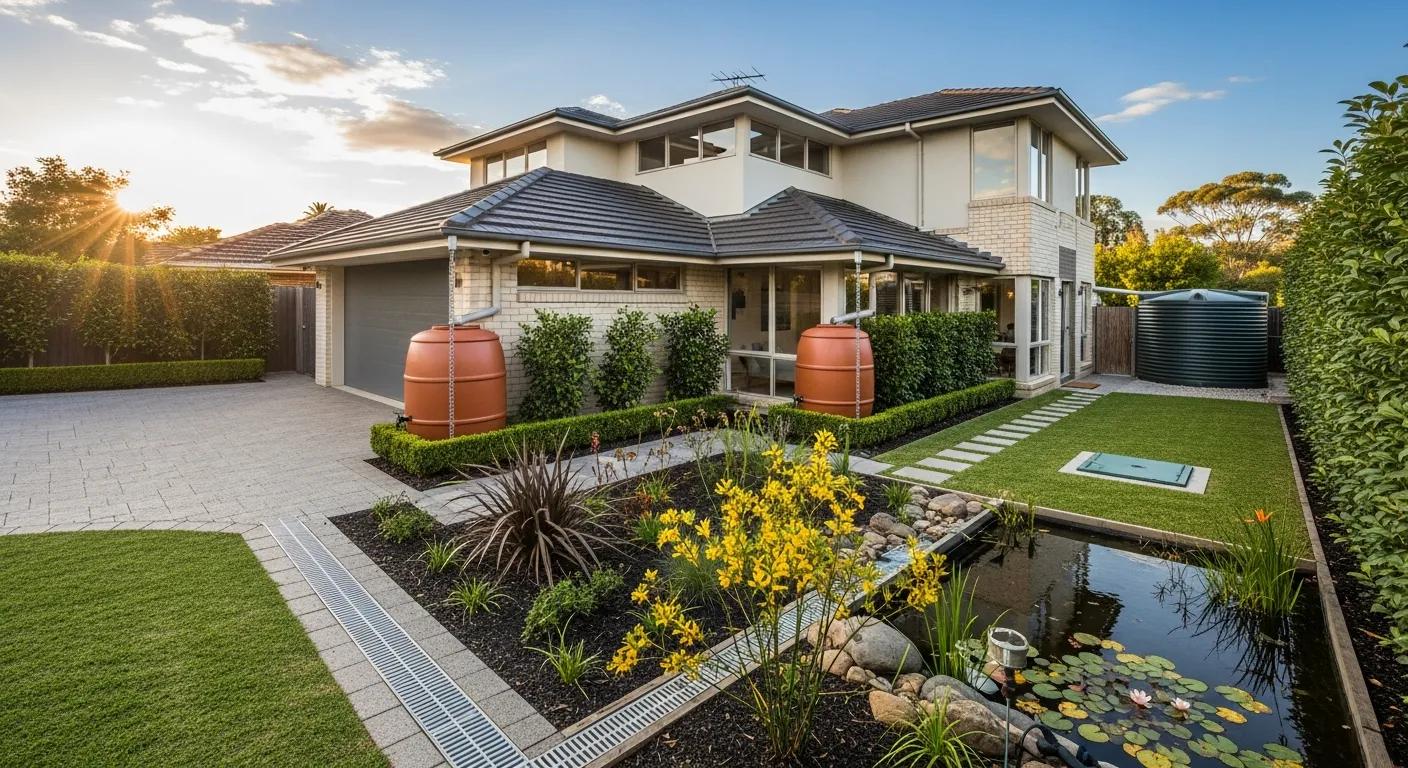
A stormwater easement is a legal right recorded on title that allows drainage infrastructure to pass over or through a property in Sydney; properly managed easements protect assets, reduce flood risk and can increase resale value by making a site more resilient and compliant. This guide explains what easements are, the common types you will encounter, and the practical mechanisms by which effective stormwater management enhances property value and marketability. Property owners, developers and agents often face uncertainty about responsibilities, approvals and technical options; this guide provides a clear pathway from definition to action, covering compliance steps, technical solutions such as trenchless directional boring, and real-world outcomes. You will learn which Sydney councils typically influence easement arrangements, how approvals commonly proceed in NSW, and which maintenance and emergency responses preserve long-term value. Each section includes focused lists and comparison tables to make due diligence and planning straightforward, plus practical examples of residential and commercial outcomes. By the end of this guide you will understand how to verify easements, mitigate risks and align drainage upgrades with value-preserving improvements.
What Is a Stormwater Easement and How Does It Affect Property Value?
A stormwater easement is a recorded legal instrument granting rights for stormwater infrastructure—such as a stormwater pipe, inspection pit or access corridor—to be located on private land, and it affects property value by changing permitted uses, access rights and maintenance obligations. Easements function by ensuring continuous access to drainage assets and by allocating responsibility for upkeep or repair, which reduces downstream flood risk and prevents damage to foundations and landscaping when actively maintained. Understanding easement attributes lets buyers and sellers assess development potential, insurance implications and long-term maintenance financial implications, which in turn shapes market perceptions and pricing. The next subsections define the concept precisely and contrast common easement types to clarify how each category may alter an owner’s rights and obligations.
What Is a Stormwater Easement? Definition and Key Attributes
A stormwater easement is a formal legal right recorded against land title that permits stormwater infrastructure to be installed, accessed and maintained by the nominated beneficiary while remaining on private property. Key attributes include the easement’s spatial location (the access corridor or pipe alignment), its duration or permanence (often perpetual), permitted works (inspection, repair, replacement) and the beneficiary’s rights of access for maintenance and emergency interventions. In practice, physical elements associated with an easement commonly include stormwater pipework, inspection pits, headwalls and a defined surface corridor that must remain free of obstructions. Knowing these attributes helps property owners and purchasers evaluate operational obligations and the potential impact on landscaping, building footprints and development options.
What Are the Common Types of Stormwater Easements? Public, Private, Appurtenant, and Gross Explained
Stormwater easements fall into several practical categories that determine who benefits and who is responsible. Public stormwater easements typically grant a council or utility the right to install and service drainage infrastructure, while private drainage easements allocate rights between private landowners. Appurtenant easements are tied to a dominant parcel that benefits from the drainage right, whereas gross easements benefit a party independent of land ownership. Each type carries different implications for maintenance responsibility, consent for works and how easement obligations transfer on sale, so identifying the category early in due diligence clarifies likely financial commitments and restrictions for prospective buyers.
How Do Stormwater Easements Directly Increase Property Value?
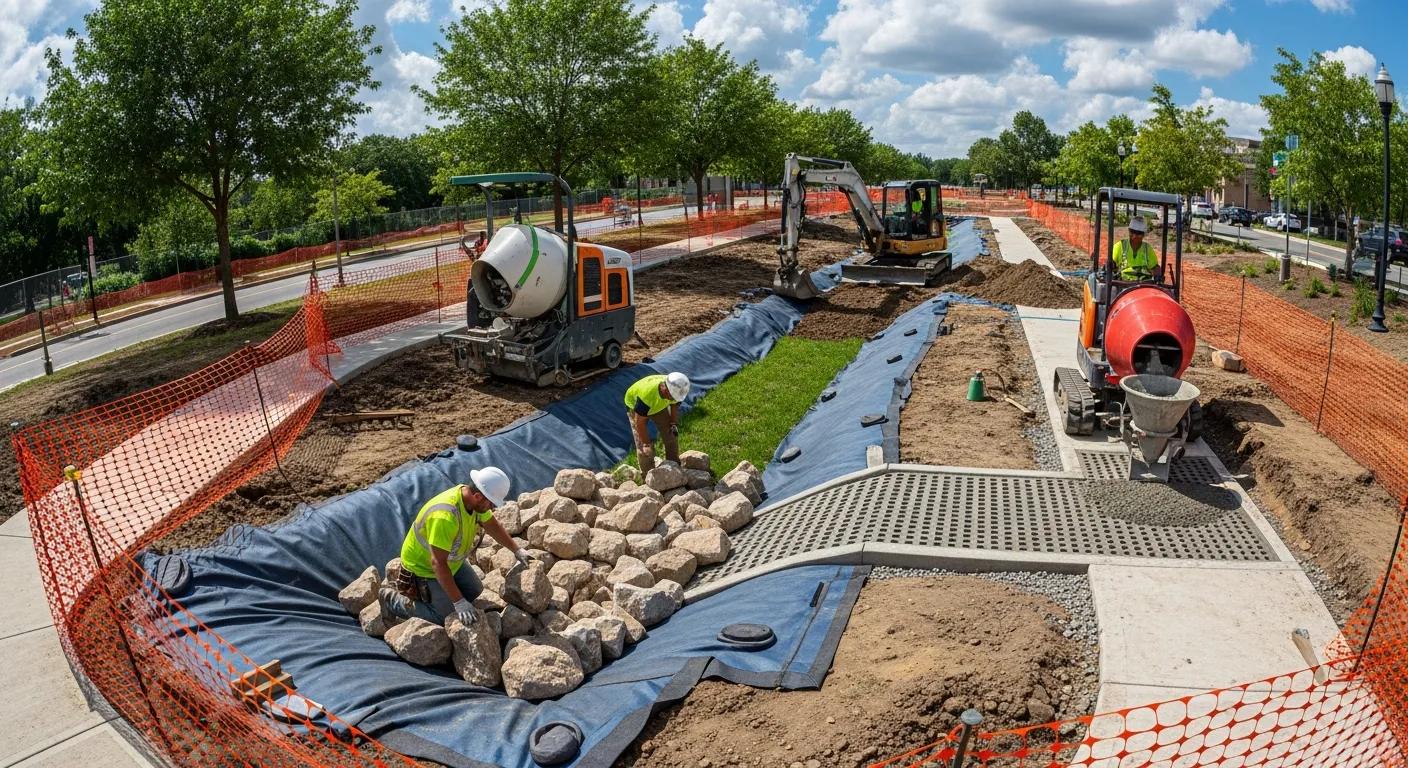
Properly implemented stormwater easements increase property value through a combination of tangible resilience improvements, clearer marketability, unlocked development potential and avoided legal or financial penalties. The mechanism is straightforward: durable drainage infrastructure and a documented maintenance regime reduce flood exposure and repair liability, which lowers perceived investment risk and increases buyer confidence. Well-managed easements also enable predictable access for remediation and upgrades, preserving landscaping and curb appeal and avoiding protracted disputes that can depress sale price. The following subsections unpack resilience benefits, buyer perceptions, development effects and the legal/financial risks avoided by compliance.
How Do Easements Enhance Property Resilience and Prevent Flood Damage?
Easements enable the installation and ongoing operation of drainage assets that control runoff, direct flows away from buildings, and maintain freeboard around foundations, thereby reducing water ingress and soil saturation. By allowing access to inspection pits and pipework, easements support regular CCTV inspection, cleaning and repair, which prevents blockages and prolonged ponding that can damage basement areas, services and landscaping. When climate pressures and intense storm events increase runoff volumes, properties with active easement management experience fewer structural repairs and smaller insurance claims, translating to more manageable lifecycle financial outlays and stronger long-term asset protection. The resilience benefit therefore contributes directly to a property’s functional integrity and appeal to risk-averse buyers.
In What Ways Do Easements Improve Marketability and Buyer Confidence?
A recorded easement combined with a documented maintenance history makes a property easier to underwrite for insurance and more transparent in conveyancing, which reduces buyer contingencies and can shorten negotiation timelines. Buyers and lenders value certainty; an easement that demonstrates a clear stakeholder and defined obligations reduces the perceived legal and operational risk of owning the site. Simple disclosures such as title notes, maintenance agreements and recent inspection reports give prospective purchasers confidence during due diligence, improving marketability and often reducing discounting in offers. These transparency advantages frequently translate into higher achieved prices relative to comparable sites burdened by ambiguous drainage obligations.
How Do Easements Influence Development Potential and Property Use?
Easements can both restrict and enable development: restrictive easements limit building over critical corridors, while properly negotiated easements that include defined setback and protection measures can enable nearby works and coordinated upgrades. Developers who incorporate easement mapping early into site planning can position drainage corridors to minimise lost developable area, or use engineered solutions to maintain amenity while preserving flow paths. Where easement management demonstrates feasible access and repair regimes, councils and certifiers are more likely to approve projects that would otherwise be deferred, effectively unlocking higher-value uses or additional floor area under compliant conditions. Thus, strategic easement management can become a development enabler rather than a barrier.
What Legal and Financial Risks Are Avoided Through Easement Compliance?
Compliance avoids a suite of risks including enforcement actions from councils, remediation orders, penalties and the need for significant retrospective works that disrupt occupants and reduce usable area. Non-compliance can trigger substantial remediation, increased insurance premiums or claims refusals, and delays to sale or development while legal obligations are resolved. Regular maintenance and timely approvals prevent escalation from minor defects to major failures, which preserves both functional value and market reputation. Effective easement governance therefore mitigates legal exposure and keeps long-term lifecycle financial outlays predictable, supporting higher net present value for the asset.
What Are the Key Stormwater Compliance Requirements for Property Owners in Sydney?
Sydney property owners must navigate a layered compliance environment where local councils, state planning controls and utility requirements intersect to govern works that affect stormwater easements. Typical compliance obligations include obtaining council or authority approval for works within an easement, submitting engineering design documentation, conducting inspections, and providing evidence of maintenance plans or access arrangements. Understanding which local development control plans (DCPs) and council policies apply, and gathering the required drawings and certifications, streamlines approvals and reduces the risk of retrospective enforcement. The next subsections identify common council patterns, outline the approval workflow, and explain how specialised contractors can support each stage of compliance.
Which Sydney Councils Govern Stormwater Easements and What Are Their Regulations?
Different Sydney councils administer stormwater easements through their development control frameworks and infrastructure asset policies, and common elements include requirements for engineering drawings, construction supervision and asset handover documentation. Typical councils to review include central, eastern and northern Sydney authorities where DCPs specify setback, pipe-size and access requirements that influence permit outcomes. Owners should consult title records and council records early, and prepare plan sets and maintenance schemes aligned with the relevant DCP to satisfy consenting officers. Engaging a qualified engineer to translate council requirements into compliant designs reduces the likelihood of requests for additional information and shortens approval timeframes.
What Is the Approval Process for Stormwater Easement Works in NSW?
Approval workflows for easement works in NSW generally follow a sequence of pre-application engagement, detailed engineering design, lodging a development application or works permit, construction under supervision, and final inspection and asset registration. Typical deliverables include concept plans, hydraulic calculations, longitudinal sections, and evidence of stakeholder consultation where third-party access is required. Timelines vary by council and project complexity but planning for staged approvals and parallel documentation (e.g., environmental checks and traffic management) accelerates delivery. Clear record-keeping and certification during construction ensure that the easement and its assets can be routinely inspected and maintained without ambiguity.
- Pre-application: check title and consult council to clarify requirements.
- Design: prepare hydraulic calculations, plans and cross-sections for approval.
- Approval: lodge the works permit or DA and respond to submissions.
- Construction & inspection: build under certified supervision and obtain final sign-off.
These numbered steps provide a concise pathway for common approval workflows and help owners plan budgets and timelines for compliance activity.
How Does Clearwater Plumbing and Civil Support Compliance and Easement Management?
Clearwater Plumbing & Civil provides services aligned to assessment, design, approvals, construction and maintenance phases to support clients managing stormwater easements, and their role is to ensure technical compliance while preserving property amenity. The purpose of the Clearwater Plumbing & Civil website is to showcase their specialised plumbing and civil services—such as directional boring, stormwater easements, and industrial plumbing—to attract commercial, industrial, and residential clients across Sydney. In practice, Clearwater offers practical support including drainage condition assessments, CCTV inspection, engineered design coordination, trenchless installation where appropriate, and scheduled maintenance plans that map to council approval requirements. Engaging a specialist early helps align designs with local DCPs, reduces variations during construction and provides clear maintenance handover documentation that lenders and insurers value.
What Stormwater Management Solutions Help Maximise Property Value?

Targeted stormwater management solutions protect asset value by combining technical interventions with ongoing maintenance regimes that reduce long-term risk and preserve amenity. Effective approaches include trenchless directional boring to install pipes with minimal surface disturbance, regular CCTV inspection and cleaning to prevent blockages, and SuDS measures that enhance on-site retention and environmental performance. The section below explains trenchless technology benefits, maps core services to property benefits and outlines the role of emergency repairs in protecting value during and after extreme events.
How Does Directional Boring Minimise Disruption During Easement Installation?
Directional boring (a form of trenchless technology) installs pipeline sections beneath surfaces with limited excavation, reducing disruption to landscaping, paved areas and day-to-day operations while maintaining access corridors for future maintenance. By limiting open trenches, directional boring preserves amenity, shortens reinstatement time and minimises visible construction impact, which protects tenant satisfaction and resale appeal during upgrades. This method also reduces the risk of damaging other buried services when carefully surveyed and executed, making it attractive for developed residential and commercial sites where preserving surface condition matters. For clients seeking minimal disruption, trenchless approaches support faster ROI by keeping buildings and outdoor areas functional throughout works.
- Directional boring reduces surface disruption and minimises reinstatement financial outlays.
- Trenchless methods shorten construction time and protect existing landscaping.
- Minimal access corridors remain for future inspections and repairs.
These bullet points summarise why trenchless installation can be the preferred technique where preserving property amenity is essential; the next subsection maps services to value benefits.
What Drainage Installation and Maintenance Services Protect Property Value?
A coherent suite of services—design, CCTV inspection, cleaning, scheduled maintenance and targeted repairs—maintains hydraulic capacity and prevents deterioration that erodes value over time. Regular CCTV inspections detect early signs of siltation, root ingress or structural defect; cleaning restores capacity; and planned relining or responsive replacement extends asset life while avoiding catastrophic failures. The following EAV-style table links common services to the problems they solve and the benefits they deliver for property owners.
When Are Emergency Stormwater Repairs Necessary and How Do They Preserve Value?
Emergency repairs are required when sudden blockages, pipe collapse or storm events threaten property fabric, services or occupier safety, and rapid response prevents secondary damage to floors, equipment and landscaping. A prompt and documented emergency intervention limits water ingress, reduces claims and preserves occupier confidence, which otherwise would erode marketability and lead to substantial remediation. After an emergency, a follow-up program of inspection and targeted upgrades restores asset resilience and demonstrates to future buyers that the asset is managed. Investing in quick response protocols and retaining qualified contractors for emergency works therefore preserves both short-term habitability and long-term value.
What Real-World Examples Show Stormwater Easements Improving Property Value?
Practical case studies illustrate how easement management and targeted stormwater interventions translate into measurable outcomes: reduced claims, smoother sales processes and unlocked development opportunities. Short structured examples below show client type, problem, solution and outcome so that owners can map these outcomes to their own sites. Imagery captions for before/after photos should highlight drainage alignment and reinstated amenity.
How Did Residential Properties Benefit from Improved Drainage and Easement Management?
Client: a suburban residential block facing regular garden flooding and ambiguous title notes. Problem: recurring surface ponding and lack of maintenance access. Solution: targeted CCTV inspection, installation of a defined access corridor and a trenchless pipe replacement to restore capacity while preserving landscaping. Outcome: the owner reported fewer inundation events, insurance declarations were simplified during sale, and the property achieved stronger interest during marketing due to demonstrable resilience.
How Have Commercial Sites Achieved Compliance and Development Success Through Easements?
Client: a small commercial precinct needing to redevelop its rear service area while protecting existing tenants. Problem: an aging drainage main within an undefined corridor threatened both redevelopment and compliance. Solution: coordinated design approval with council, trenchless installation of new main, and formalised easement documentation with maintenance schedule. Outcome: the project received timely approvals, tenant disruption was minimised and the site’s development potential was realised without significant retrospective works, improving both rental yield prospects and asset value.
What Are the Most Frequently Asked Questions About Stormwater Easements and Property Value?
This FAQ-style section answers common PAA questions succinctly for quick reference, offering practical steps and pointing to deeper sections above for technical detail. Each response is designed to be clear for buyers, sellers and owners who need immediate, actionable guidance about easements and value.
What Is a Stormwater Easement on My Property?
A stormwater easement on your property is a legal notice recorded on title granting a third party the right to access, maintain or locate drainage infrastructure across part of your land; you can verify its existence by checking the title search and council records. If an easement is present, the title will outline its location and rights, and council asset maps often show stormwater alignments that confirm obligations. For certainty, request the survey or plan held with the title and speak to your conveyancer or council to understand operational implications. Early verification avoids surprises during sale or redevelopment and informs necessary maintenance planning.
Does a Drainage Easement Affect Property Value Positively or Negatively?
A drainage easement can be positive if it reduces flood risk and is accompanied by clear maintenance arrangements; it can be negative if it is poorly documented, neglected or restricts development without offsetting benefits. In short: managed easements that demonstrate functioning drainage and accessible maintenance tend to support value, whereas ambiguous or neglected easements often depress buyer confidence and attract discounts. The determining factors are clarity of rights, evidence of upkeep and whether easement positioning materially limits desirable uses; addressing these elements shifts the balance toward positive value impact.
Who Is Responsible for Maintaining a Stormwater Easement?
Responsibility typically rests with the party specified in the easement instrument, commonly the property owner where the easement is located or the beneficiary where the instrument allocates maintenance obligations; exceptions are defined by the easement terms. To confirm responsibility, review the title and easement documentation or consult council records; maintenance agreements or asset ownership schedules will specify who funds and performs cleaning, inspection and repair. When ambiguity exists, a written maintenance agreement or service contract clarifies obligations and prevents disputes that can erode value.
Can You Build on a Stormwater Easement?
Building on a stormwater easement is generally restricted unless specific consent is granted by the easement beneficiary and any required approvals are obtained from council, because works can obstruct access and compromise drainage function. Limited or removable works may be permitted with formal approval and protective measures, but permanent structures over critical corridors are usually prohibited. Owners seeking modifications should prepare engineered designs and apply for written consent from the easement beneficiary and council to avoid enforcement action and potential demolition. Seeking pre-approval and alternative design strategies preserves development potential while respecting easement rights.
How Do I Find Out If My Property Has a Stormwater Easement?
To find out if your property has a stormwater easement follow a simple verification sequence: check the title search and plan for notation of easement, review council asset or infrastructure maps, and if necessary commission a cadastral survey or ask your conveyancer to confirm. Contacting the local council’s infrastructure or development team will usually identify recorded easements and any asset records that affect the site. For sites with suspected unrecorded issues, a CCTV inspection and a site survey provide definitive evidence. If you need practical assistance, engage professionals early to translate findings into compliant design or maintenance actions.
The purpose of the Clearwater Plumbing & Civil website is to showcase their specialised plumbing and civil services—such as directional boring, stormwater easements, and industrial plumbing—to attract commercial, industrial, and residential clients across Sydney. For owners and developers seeking hands-on support through assessment, approvals and delivery, contacting Clearwater Plumbing & Civil can help convert technical findings into compliant works and ongoing maintenance arrangements.
- Identify: Check title records and council asset maps.
- Confirm: Commission a survey or inspection where needed.
- Engage: Bring in qualified contractors to prepare designs and approvals.
These final action steps convert knowledge into practical next moves for owners who want to protect or enhance property value through better stormwater easement management.