
Stormwater Easements Sydney: What You Can Build, Where You Can Drain, and Why – Comprehensive Guide to Regulations and Management
Stormwater easements play a crucial role in managing water runoff in urban environments, particularly in Sydney, where heavy rainfall can lead to significant flooding. This comprehensive guide will explore what stormwater easements are, their implications for property development, and the regulations governing them. Understanding these easements is essential for property owners and developers to navigate building restrictions and ensure compliance with local laws. We will also discuss how modern techniques like directional boring support stormwater infrastructure, the commercial plumbing solutions available for effective stormwater management, and the responsibilities of property owners and local governments in maintaining these easements. By understanding stormwater easements, you can better plan your building projects and manage water drainage effectively in Sydney.
Optimizing Stormwater Easements in Sydney
Stormwater easements are legal rights granted to local governments or utility companies to manage stormwater runoff on private property. These easements allow for the installation and maintenance of drainage systems, ensuring that excess water is effectively channelled away from developed areas. The primary purpose of stormwater easements is to prevent flooding and protect the integrity of public infrastructure.
Understanding the legal definition and purpose of stormwater easements is vital for property owners. These easements can restrict how landowners use their property, particularly in terms of construction and landscaping. For instance, building structures or planting trees within an easement can lead to legal complications and potential fines.
Understanding the Legal Definition and Purpose of Stormwater Easements
The legal definition of stormwater easements varies by jurisdiction, but they generally grant the right to manage water runoff on a property. This includes the installation of drainage systems, such as pipes and swales, which are essential for directing water flow. The purpose of these easements is to mitigate flooding risks and protect public infrastructure from water damage.
In urban planning, stormwater easements are crucial for maintaining the balance between development and environmental sustainability. They ensure that natural water flow patterns are preserved, reducing the risk of erosion and habitat destruction.
How Do Stormwater Easements Impact Property Development and Building Restrictions?
Stormwater easements can significantly impact property development by imposing restrictions on what can be built and where. For example, if a property is located within a designated easement area, the owner may be prohibited from constructing buildings or other structures that could obstruct water flow.
Properties affected by stormwater easements often face challenges in obtaining building permits. Developers must work closely with local authorities to ensure compliance with easement regulations, which can lead to delays and additional considerations. Understanding these restrictions is essential for anyone looking to develop property in Sydney.
What Are the Key Stormwater Drainage Regulations in Sydney?
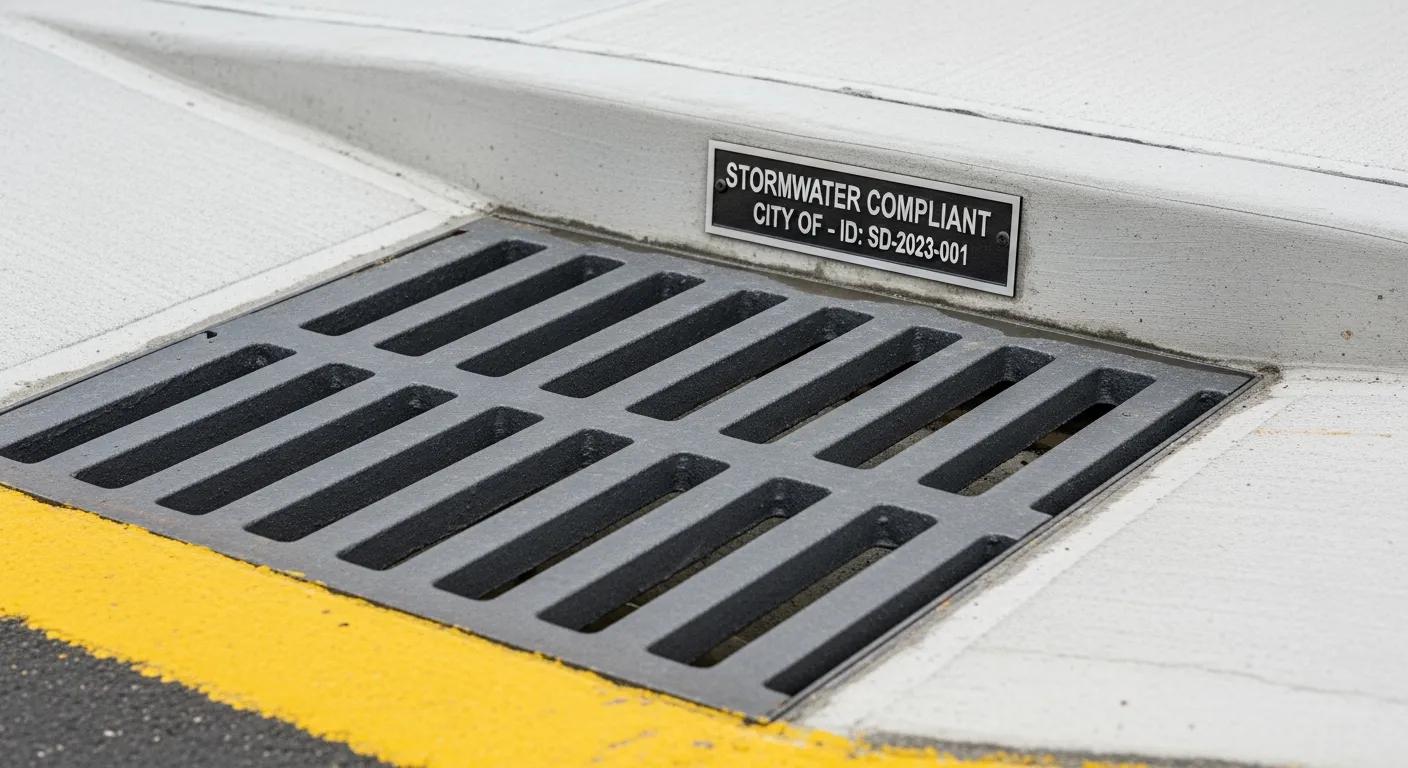
In Sydney, several key regulations govern stormwater drainage and the management of easements. These regulations are designed to protect the environment and ensure that stormwater is managed effectively.
Local councils enforce these regulations, which can vary across different local government areas. Property owners must be aware of the specific policies that apply to their location to avoid potential legal issues.
Which Local Government Policies Govern Stormwater Easements and Drainage?
Local government policies regarding stormwater easements and drainage are critical for property owners and developers. These policies outline the requirements for managing stormwater runoff, including the design and maintenance of drainage systems.
For instance, councils may require property owners to submit stormwater management plans as part of the development application process. These plans must demonstrate how the proposed development will manage stormwater effectively, ensuring compliance with local regulations.
What Are the Compliance Requirements for Stormwater Management Solutions?
Compliance with stormwater management regulations is essential for property owners in Sydney. Key requirements often include:
- Stormwater Management Plans: Property owners must develop and submit detailed plans outlining how they will manage stormwater runoff.
- Regular Maintenance: Ongoing maintenance of drainage systems is required to ensure they function effectively and comply with local regulations.
- Inspections: Local councils may conduct inspections to ensure compliance with stormwater management plans and regulations.
Failure to comply with these requirements can result in fines and legal action, making it crucial for property owners to understand their obligations.
How Does Directional Boring Support Stormwater Infrastructure Installation in Easements?
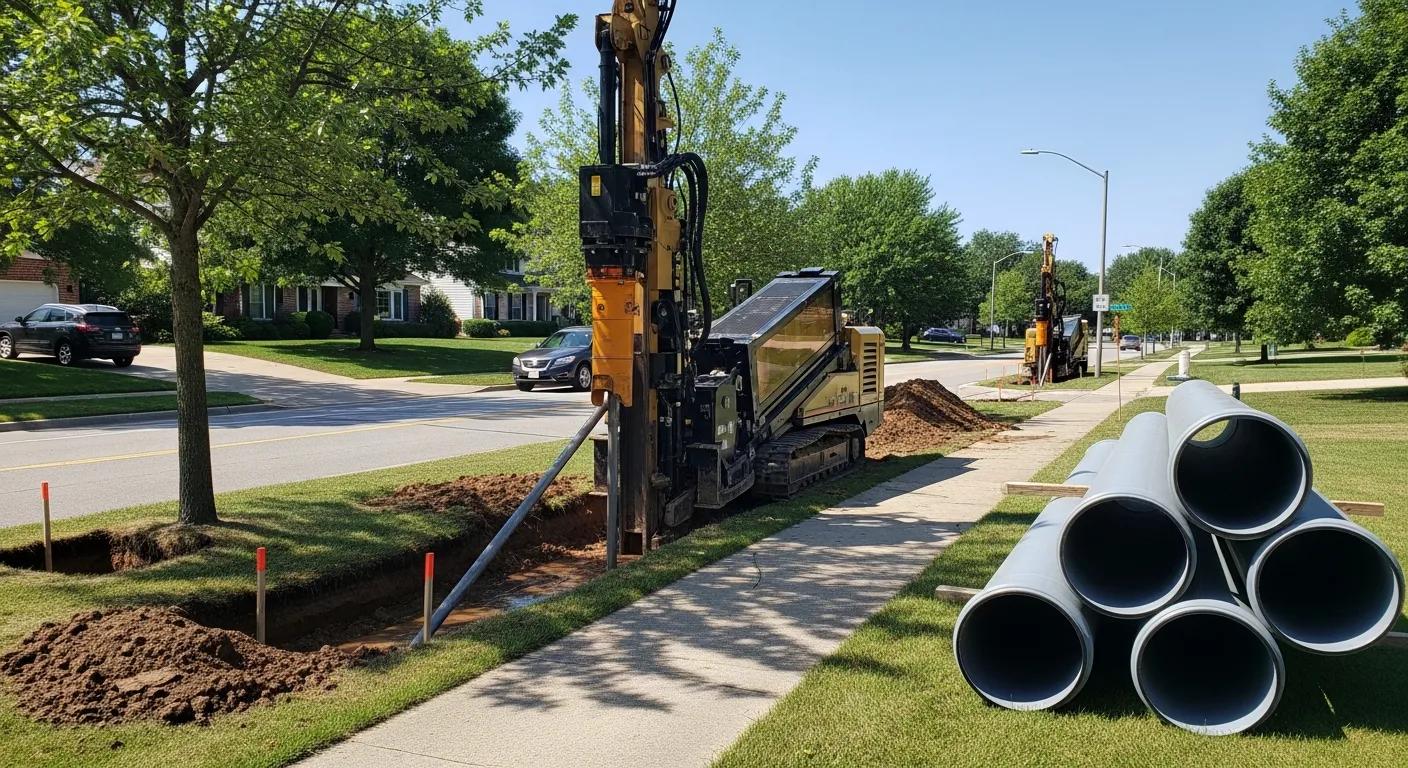
Directional boring is a trenchless technology used to install underground utilities, including stormwater pipes, with minimal disruption to the surface. This method is particularly beneficial in urban areas where traditional excavation methods can cause significant disturbances.
By using directional boring, contractors can install stormwater infrastructure within easements without damaging existing landscaping or infrastructure. This approach not only saves time but also reduces the environmental impact of construction activities.
What Is Directional Boring and Why Is It Essential for Underground Pipe Installation?
Directional boring involves drilling a small hole underground to create a pathway for pipes or cables. This method is essential for installing stormwater pipes because it minimises surface disruption, allowing for the efficient installation of drainage systems in easements.
The benefits of directional boring include reduced excavation needs, faster installation times, and less environmental impact. This technology is particularly valuable in densely populated areas like Sydney, where traditional methods may not be feasible.
Can Directional Boring Minimise Site Disruption in Sydney’s Stormwater Easements?
Yes, directional boring can significantly minimise site disruption in stormwater easements. By avoiding extensive excavation, this method allows for the installation of stormwater infrastructure without damaging existing landscaping or structures.
Projects utilising directional boring often experience fewer delays and smoother installations compared to traditional excavation methods. This makes it an attractive option for property developers and local governments looking to manage stormwater effectively.
What Commercial Plumbing Solutions Are Available for Stormwater Management in Sydney?
Commercial plumbing solutions play a vital role in managing stormwater effectively. These solutions include the design and installation of drainage systems, maintenance of existing infrastructure, and ensuring compliance with local regulations.
Property owners and developers can benefit from professional plumbing services that specialise in stormwater management. These services ensure that drainage systems are designed to meet local requirements and function effectively.
How Do Commercial Plumbing Services Address Stormwater Drainage Challenges?
Commercial plumbing services address stormwater drainage challenges by providing tailored solutions that meet the specific needs of each property. This includes designing drainage systems that comply with local regulations and effectively manage runoff.
Plumbers with expertise in stormwater management also conduct regular maintenance and inspections to ensure that drainage systems remain functional and compliant. This proactive approach helps prevent flooding and other water-related issues.
What Are the Best Practices for Maintenance and Inspection of Stormwater Easements?
Maintaining and inspecting stormwater easements is crucial for ensuring their effectiveness. Best practices include:
- Regular Inspections: Conducting routine inspections of drainage systems to identify potential issues before they become significant problems.
- Prompt Repairs: Addressing any maintenance issues immediately to prevent further damage and ensure compliance with local regulations.
- Documentation: Keeping detailed records of inspections and maintenance activities to demonstrate compliance with local requirements.
By following these best practices, property owners can ensure that their stormwater easements function effectively and comply with local regulations.
Who Is Responsible for Maintaining Stormwater Easements and Ensuring Compliance?
The responsibility for maintaining stormwater easements typically falls on property owners, but local governments also play a crucial role in enforcement and compliance. Understanding these responsibilities is essential for property owners to avoid potential legal issues.
Clearwater Plumbing offers expert assistance to help ensure your property adheres to regulations. Their services include maintenance and inspections to support compliance and effective stormwater management.
What Are Property Owner Responsibilities Regarding Easement Maintenance?
Property owners are responsible for maintaining the stormwater easements on their property. This includes ensuring that drainage systems are clear of debris, functioning correctly, and compliant with local regulations.
Regular maintenance and inspections are key to fulfilling these responsibilities and avoiding potential fines or legal action.
How Do Local Governments Enforce Stormwater Easement Regulations in Sydney?
Local governments enforce stormwater easement regulations through inspections and compliance checks. They may conduct routine inspections to ensure that property owners are maintaining their easements and adhering to local regulations.
If a property owner fails to comply with these regulations, local governments can impose fines or take legal action to ensure compliance. Understanding the enforcement mechanisms in place is crucial for property owners to avoid potential penalties.
For any questions or assistance, contact Clearwater Plumbing for expert advice and support.